
Irish dairy exporters face a critical challenge - protecting butter, cheese, powders, and other temperature-sensitive goods through multiple climate zones without inflating costs on every shipment. Reefers offer thermal control but carry operational constraints and significant expense. Dry containers are cost effective but expose products to wide temperature swings. The gap between these two options is widening as climate variability, dwell time, and inland transit temperatures become harder to predict.
This is where insulated dry containers are emerging as a strategic middle solution - a way to stabilise internal conditions without the cost of full refrigeration.
Bubblepack has supplied insulation solutions to shipping lines, food exporters, and pharmaceutical manufacturers for more than 30 years. Our experience shows that temperature excursions are not random - they follow a predictable pattern. And understanding where the real risk lies is the key to preventing product damage.
The Hidden Cost Problem
Dairy has one of the narrowest thermal tolerance ranges of all food export categories. Even brief exposure to heat or cold can influence texture, moisture, and shelf life. The financial impact of rejected batches, downgraded product, or shortened shelf stability compounds across large export volumes.
A typical reefer on Ireland to international routes can cost €6,000 to €8,500 per container. An insulated dry container solution typically comes in at a 50%+ cost reduction, with increased savings for smaller container sizes.
For many exporters, the question is no longer “reefer or dry”. It is “when can insulation safely replace a reefer while maintaining product integrity”.
Why Temperature Excursions Matter for Dairy Logistics
Irish dairy shipments routinely move from cool, stable conditions at origin into warmer climates in Europe, Americas, Africa, Asia, and the Middle East. Risk increases during transitions.
Common temperature stress points include.
• Quayside delays
• Inland road transport through colder or hotter regions
• Weekend or holiday holds
• High radiant heat during summer routes
• Container staging areas without climate control
Dry containers mirror these conditions immediately. Reefers control them but at a cost that is difficult to justify on every shipment. Insulation bridges that gap by reducing the speed of temperature change.
For context. insulation has been used successfully for decades to protect butter, cheese, yoghurts, wines, beers, liquors, and other temperature-sensitive goods in standard containers.
The Real Risk Zone. Handoffs, Not the Vessel
Most exporters assume the greatest temperature risk occurs during sea transit. Our analysis shows the opposite. The most critical risk windows are unpowered, land-based transitions.
The highest-risk moments include.
• Containers sitting on a quay waiting for loading or collection
• Movement through inland regions with extreme cold or heat
• Delays during customs checks or transhipment
• First and last mile movements in destination markets
In our Korea shipment analysis, freezing risk peaked during inland transport into cold regions, not during the multi-week sea crossing. Sea legs tend to be thermally stable - the sharp fluctuations occur during handoffs.
The same pattern applies to dairy logistics on routes across Europe, the Middle East, and Asia.
How Container Insulation Works
Insulation stabilises the internal environment by slowing the rate at which heat enters or leaves the container. It does this by.
• Reducing conduction through insulated layers
• Limiting air movement around cargo
• Reflecting radiant heat from direct sunlight
This improves the effective thermal resistance of the container walls and roof, resulting in.
• Slower temperature rise during hot periods
• Slower cooling during cold snaps
• Reduced condensation
• Lower risk of thermal shock
• More predictable internal conditions during dwell time
Insulation does not freeze proof or heatproof a container indefinitely. Instead, it creates a buffer that prevents sudden temperature changes from reaching the cargo too quickly.
Cost Comparison. Reefers vs Insulated Containers
A simple model illustrates the economics.
Reefer container
• €6,000 to €8,500 per container on many common export corridors
• Additional energy and repositioning costs
• High cost even on routes with moderate temperature risk
• Reliant on reefer availability
Insulated dry container
• ~€450-€600 insulation per 40ft container + cost of dry container
• No power required
• Suitable for temperature-tolerant goods like butter, cheese, powders, and dairy ingredients
• Can replace a reefer on many winter or shoulder-season routes
For many exporters, the combination of lower cost and stable thermal performance makes insulation the preferred option for a meaningful percentage of their outbound volume.
Sustainability Advantages
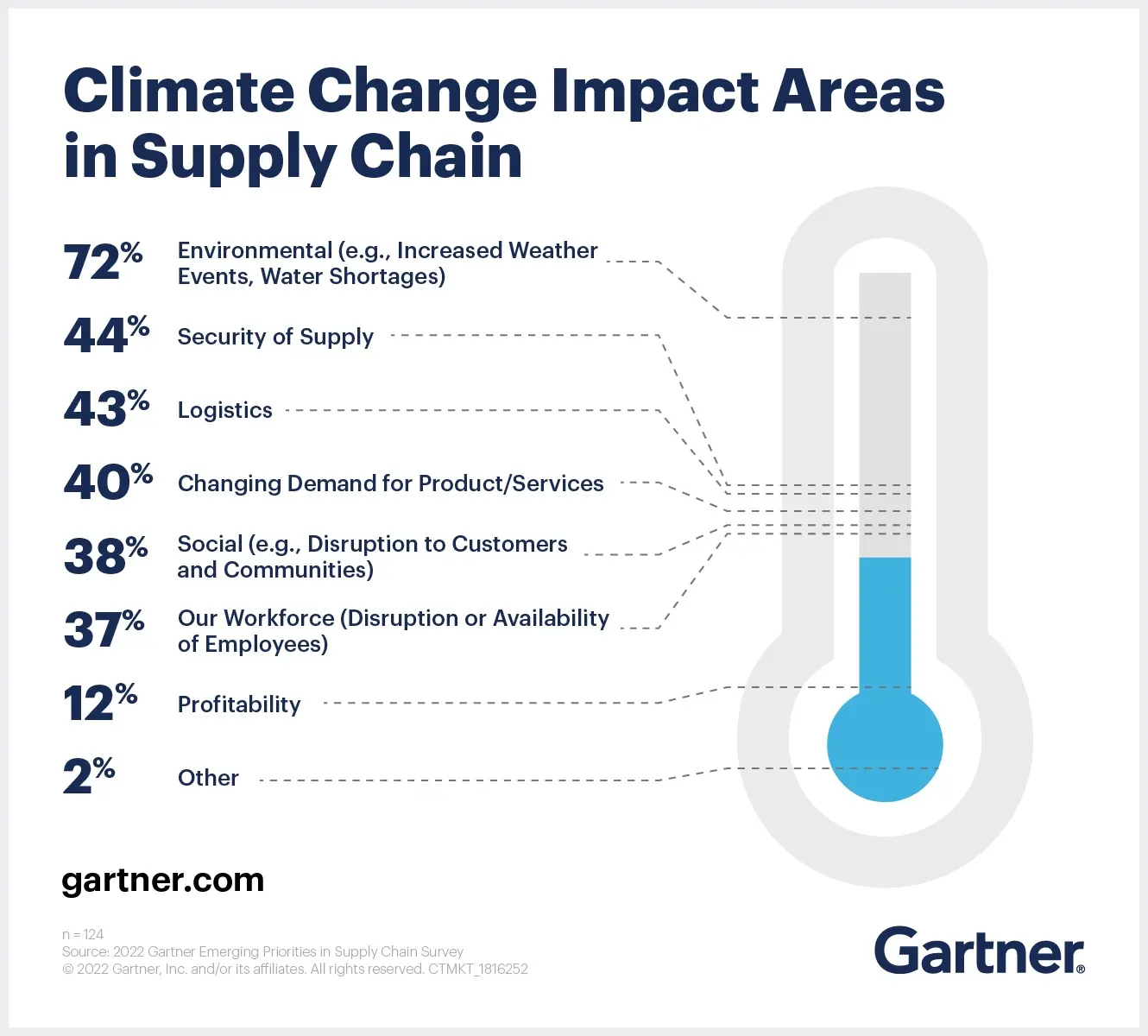
Reefers are energy intensive. Exporters facing sustainability targets are under pressure to reduce emissions across their supply chain.
Insulated containers contribute by.
• Reducing reliance on powered refrigeration
• Cutting energy usage across routes
• Aligning with ESG frameworks
• Improving product consistency without additional carbon cost
This dual benefit. lower emissions and predictable product quality. is a strong driver behind insulation’s rising adoption in dairy logistics.
What Leading Exporters Are Doing Now
Best-in-class exporters are integrating insulation into their logistics strategy through:
• Seasonal use during winter freeze and summer heat
• Pre installed liners at depots for operational efficiency
• Selective reefer replacement on moderate-risk corridors
• Minimising quay dwell time for sensitive cargo
• Treating thermal stability as part of quality assurance, not just logistics
This structured approach reduces risk while controlling cost.
Next Steps for Your Operation
If you are moving dairy products through varied climate bands, the question is not whether temperature excursions will happen - it is whether your current setup can buffer them at an acceptable cost.
To explore whether insulated dry containers are suitable for your routes, contact our team for a route specific feasibility assessment.