
Bulk Wine in Flexitanks: How Do You Protect Quality on Long Hauls?
Bulk wine sits inside one flexible bag for weeks at sea. A split seam or a slow oxygen leak can turn a full container into a write-off before it reaches the bottling line. Buyers in UK and Europe move large amounts of bulk wine every single year. The choice of liner, barrier, and load method decides if that wine lands fresh or lands flat. The sections below cover the real risks and the checks that stop them.
What is a flexitank and why do wine shippers use it?
A flexitank is a big, flexible, food-grade bag made of many layers of polyethylene and polypropylene. It can fit inside a standard 20-foot shipping container and be used to move large amounts of liquids. It makes a normal dry shipping container into a safe container for liquids that can hold up to 24,000 to 27,000 liters.
The bag then travels straight to a UK or European bottling line. Glass bottles, wooden barrels and rigid ISO tanks cannot match that fill rate on the same route. Buyers who skip the switch still pay for water weight and glass they don't need.
Why does wine quality drop on long sea routes?
The quality of wine goes down on long sea routes because of the high and changing temperatures, constant mechanical shocks, and humidity problems inside shipping containers. Oeno One research found that heat above 21°C alters the chemical make-up of wine and forces it to age well before its time. Vibration adds a second threat during transit.
Even modest shock levels raise total acidity in red wine and strip out organic acids. A slow Asia-Europe or Africa-Europe route often crosses different climate zones. Both problems then hit the same container at once. A buyer who ignores the risk pays for spoiled stock at the far end of the voyage.
How does a flexitank stop oxidation in transit?
Oxygen is the real enemy inside any wine container. Flexitanks keep liquids from oxidizing while they're being shipped by getting rid of headroom and using special oxygen-barrier polymer layers that keep air from getting to the liquid. A quality flexitank uses a multi-layer polyethylene skin around a barrier core. That core, often built from EVOH or a thin aluminium layer, holds the oxygen transmission rate below 0.05 cc per square metre a day.
A leak at that scale still strips fruit character out of a white wine within days. The one-piece build removes seams. A seam is the weakest point on any bag. A wine that reaches port with its aroma intact owes that result to the barrier, not luck.
Which barrier specs matter for premium wine?
Not every wine needs the same barrier. A young red meant to sell early can travel in a standard multi-layer liner. A delicate white or a premium blend needs the tightest oxygen transmission rate on the market, plus a woven polypropylene outer shell strong enough to survive rail and sea handling. Would you trust a premium blend to a bargain liner? You should ask a supplier for the OTR figure and the layer count before you sign, not after a spoiled load lands at the dock. A cheap liner on a premium wine is a false saving.
How much wine fits in a flexitank versus other methods?
A 20ft flexitank holds roughly 24,000 to 27,000 litres. A container of glass bottles carries closer to 9,000 litres on the same route. Drums and IBCs sit in between, at a lower fill rate and a higher cost per litre. OIV figures show that bulk wine remains a major share of global wine trade, especially on high-volume routes into the UK and EU. That gap in capacity is the whole business case for bulk wine. A buyer stuck with bottled cargo pays for empty space, extra glass weight and a bigger carbon bill on every trip.
Are flexitanks only for cheap wine?
Not at all they are extend to using high quality of wines as well. That reputation is out of date. SIA Flexitanks' own CEO has said flexitanks now carry wine far above entry-level quality. Newer designs use an aluminium barrier and a three-pod build that keeps red, white and rosé apart inside one container. Premium buyers who still avoid bulk transport over an old myth miss out on real savings. The quality trade-off only appears when the liner spec does not match the wine. The stigma belongs to the 1990s, not the current market.
What happens during loading and discharge?
A good flexitank job starts with a clean, dent-free container. A sharp weld point or a stray nail can puncture the bag within minutes. The crew connects the valve and checks every joint for a tight seal. Pump speed then stays low so air does not mix into the wine. A fast pump creates foam. Foam pulls oxygen straight into the liquid. At discharge, the container tilts toward the outlet to pull the last litres clear. Wasted product at the bottom of the bag is money left on the dock.
How do you pick a reliable flexitank supplier?
You should check four things before you commit to a supplier. It helps to ask for the food-grade certification first, such as FDA, EU food-grade or the FSSC 22000 mark. You should also confirm the OTR figure in writing, not just on a sales call. A real cradle-to-grave recycling scheme matters too, since it keeps waste out of landfill. A supplier that also fits thermal liners is worth extra points, since that same firm can add heat and cold cover on the same route.
Is flexitank transport better for the environment?
Yes, on almost every measure that counts. One flexitank in one container carries wine that would need three or four trips in bottles. Fewer trips mean less fuel burned for the same volume delivered. Most flexitank material recycles at well over 90%. A one-way liner needs no return trip, no wash cycle and no repositioning cost. An ISO tank still travels home empty or sits through a full clean before its next load. That extra trip adds carbon for no extra wine.
What quality checks should run before and after shipment?
You should test the wine before it goes near the bag. A lab check for free SO2, pH and volatile acidity gives you a clean baseline. It is important to inspect the container itself for damage before the liner goes in. You should also keep a photo record of the empty liner as proof. On arrival, you should pull a sample from the valve before full discharge starts. You then run the same lab panel again on that sample. A shift in SO2, or a jump in volatile acidity, points straight to an oxygen leak. You want that answer before the wine reaches a bottling line, not after.
How can bubble pack insulation help with this?
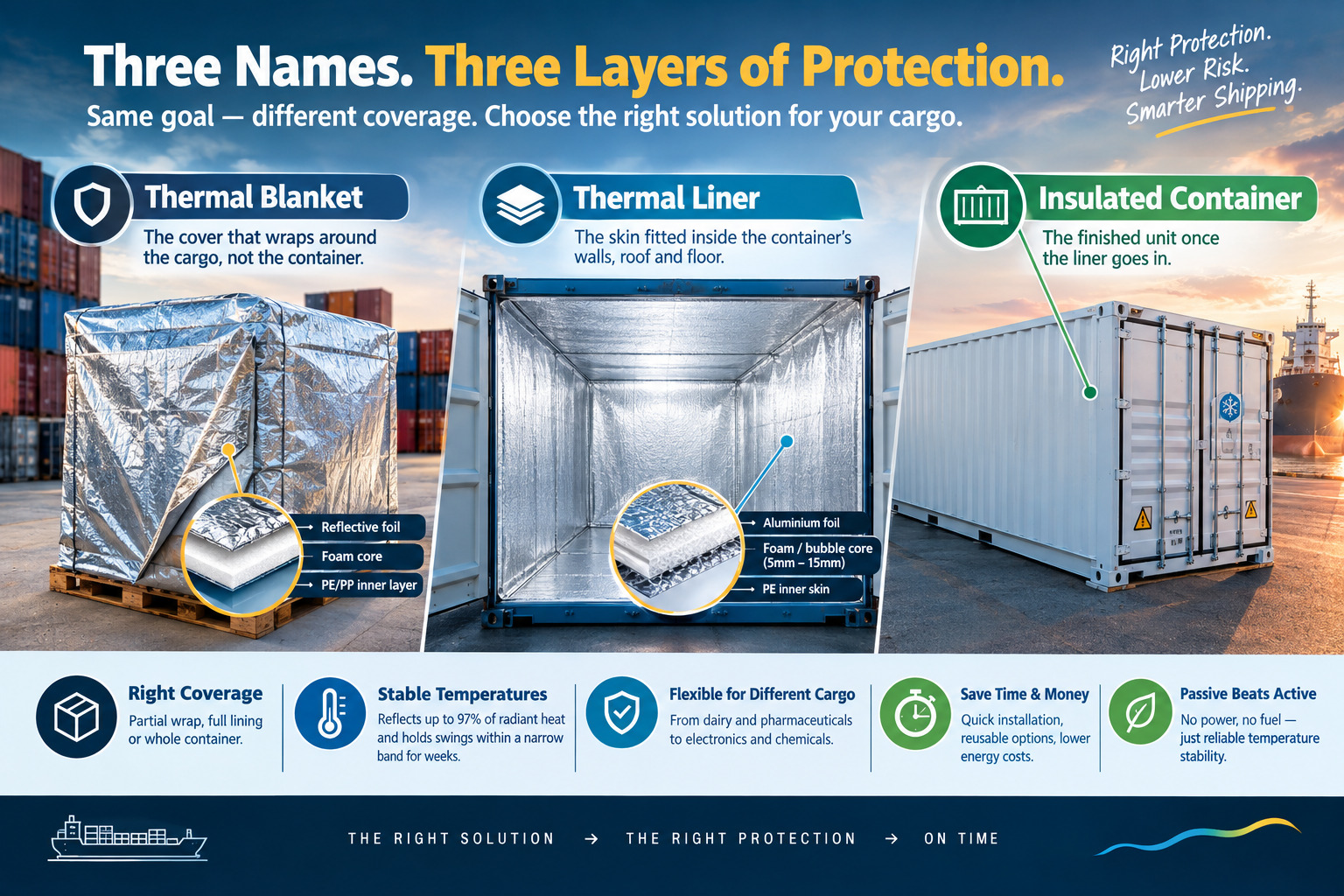
BubblePack Insulation runs a turnkey flexitank service built for this exact route. Our team fits the bag inside a 20ft container and checks the structure for damage before a single litre goes in. Full discharge support then covers the far end of the journey, so your team does not have to guess at pump speed or valve fit. On a hot lane or a cold northern port in winter, BubblePack adds an optional insulation layer inside the same container, a step most flexitank suppliers skip. That layer holds the wine closer to a stable band, so it does not swing with the outside air. BubblePack has backed wine and beverage exporters across Ireland, the UK and wider Europe for 35 years, with EUROLAB-tested liners already trusted by names such as Kuehne+Nagel and DHL. You can get a quote on your next bulk wine route within a day.