
Three Names for Three Different Layers of Protection
You've probably seen these 3 terms used as if they mean the same thing. They don't. A thermal blanket, a thermal liner, and an insulated container solve related problems in different ways. The wrong pick still costs you cargo or money. You'll find each term set straight below, so you can buy the right protection on time.
A Thermal Blanket: The Cover That Wraps Around the Cargo, Not the Container
A thermal blanket is a flexible cover placed directly over palletised goods or a partial load. A reflective foil layer and a foam core sit inside it. The cover does not line the container itself. Mostly those exporters who are serious about their business pick a blanket for smaller or mixed loads that do not need full-container cover. Bubblepack's pallet and cargo protection range covers exactly this gap.
A Thermal Liner: The Skin Fitted Inside the Container's Walls, Roof and Floor
A thermal liner covers all five interior surfaces of a standard container. Aluminium foil, a foam or bubble layer, and a polyethylene inner skin work together to reflect heat and slow its transfer. Bubblepack's thermal liner range fits standard 20ft and 40ft units, and it turns a normal dry container into a thermal insulated container within the hour.
An Insulated Container: The Finished Unit Once the Liner Goes In
An insulated container is a result, not a separate product on its own. Once a liner is fitted, the dry box becomes an insulated container able to hold a stable internal temperature for weeks rather than hours. Bubble pack tells on a 36 square metre insulated container shows exactly what that space delivers for a single load.
Material and Build: What's Actually Inside Each Layer
The layers behind these three terms stay similar. Assembly is where the real difference sits. A liner or an insulated container typically uses a foil face, a foam or bubble core 5mm to 15mm thick, and an inner PE or PP skin. A blanket uses the same core. It keeps a lighter, more portable shell, since it never fastens to a container wall.
Coverage Compared: Partial Wrap, Full Lining or Whole Container
Coverage is the cleanest way to tell these three apart. A blanket wraps the load. A liner wraps the container. An insulated container is what you get once that wrap sits in place and the doors close. You should match the coverage to the cargo, so you don't pay for protection you don't need.
Temperature Performance Side by Side
A well-built thermal liner reflects up to 97 percent of radiant heat & holds internal swings within a narrow band for weeks at a time. A blanket protects a smaller volume and suits shorter transit legs best. Every liner and blanket is cut to the same ISO 668 container dimensions a reefer uses, so fit is never a guess.
Which Cargo Suits Which Solution
A thermal container liner covers different types of cargo, like Dairy & Milk Powder, Pharmaceutical, Wine, Beverage, Chemical & Industrial move well inside a full thermal liner. These goods need steady humidity control for the whole route. Palletised electronics or a part-load of chemicals often need only a blanket over the goods themselves. Full-container cargo too sensitive for a dry box, yet too low-value for a reefer, fits the insulated container option best.
Cost, Installation Time and Reuse
A blanket costs not too much, and it installs in minutes. A single blanket usually covers a single load only. A liner costs more upfront and takes under an hour to fit. Many liners still handle several return trips. Reuse across multiple shipments is where a liner earns back its price fastest. About Thermal Blankets cost.
Insulated Container or Reefer: When Passive Beats Active
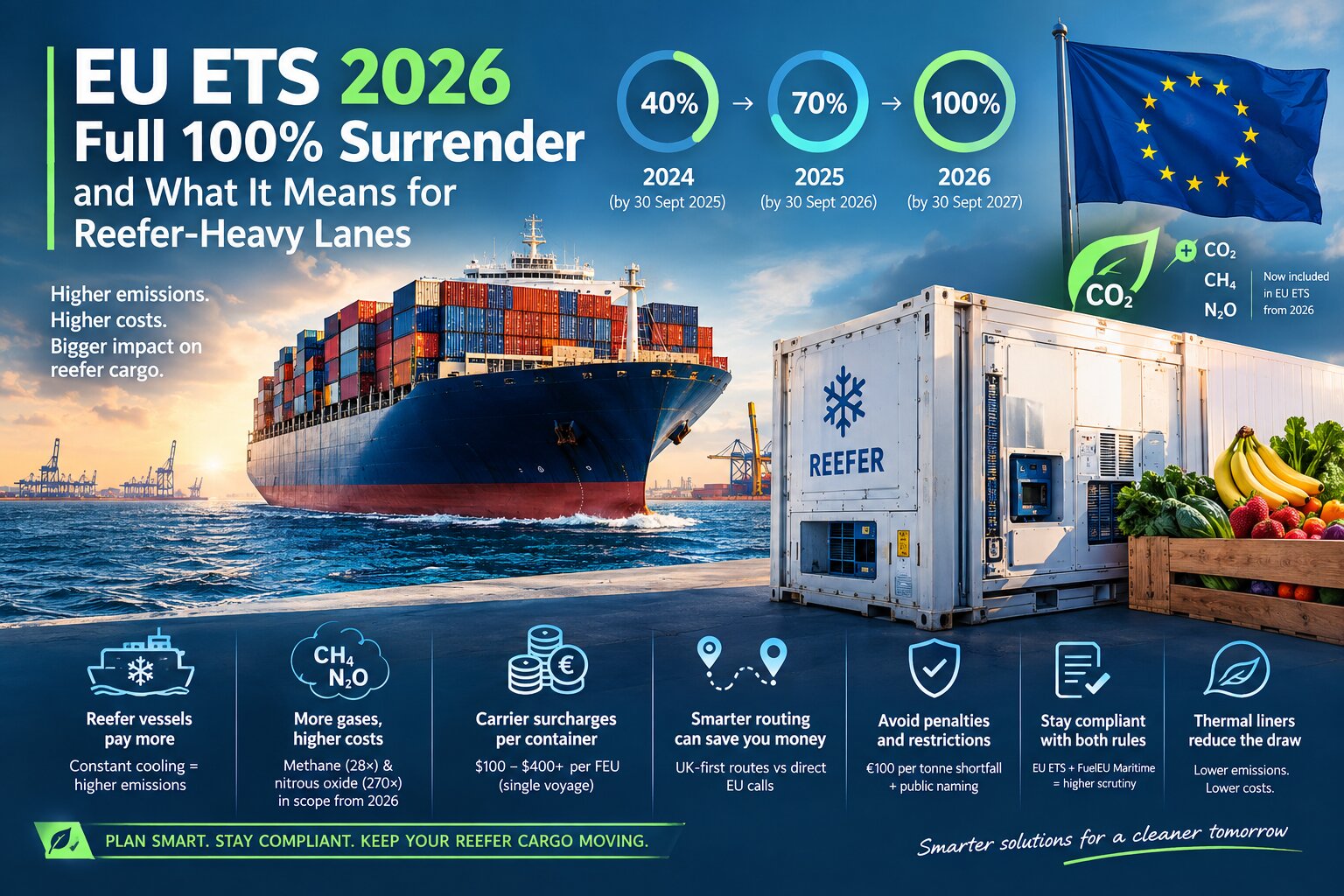
Reefer units draw up to six kilowatts an hour, which adds up to roughly 100 to 140 kilowatt hours a day, according to recent industry data from Identec Solutions. An insulated container keeps cargo thermally insulated and draws no power once the doors shut. That energy gap cuts real cost for cargo that only needs a stable range, not an exact degree.
Quick Comparison Table: Thermal Blanket vs Thermal Liner vs Insulated Container
Choosing the Right Term Before You Book the Shipment
You should tell your supplier the actual coverage you need, not just a term found on a search page. European buyers often search using the French term isolation thermique. It means the same passive protection as a thermal liner or insulated container. Once the wording is right, your freight forwarder quotes the correct product on the first call.