
From January 2024, the EU Emissions Trading System (EU ETS) began covering shipping. Carriers must surrender allowances for 2024 emissions by 30 September 2025, with the phase-in covering 40% of 2024 emissions, 70% of 2025 emissions and 100% of 2026 emissions onward. These are the emissions years; allowance surrender occurs in the following year. Expect surcharges and stricter reporting to keep climbing.
On 1 January 2025, FuelEU Maritime kicked in fully, pushing vessels calling at EU/EEA ports to reduce the GHG intensity of onboard energy and to prepare for shore-power requirements on select ship types and ports. That’s another regulatory lever nudging operators toward lower energy demand, lower-carbon fuels - and away from avoidable loads.
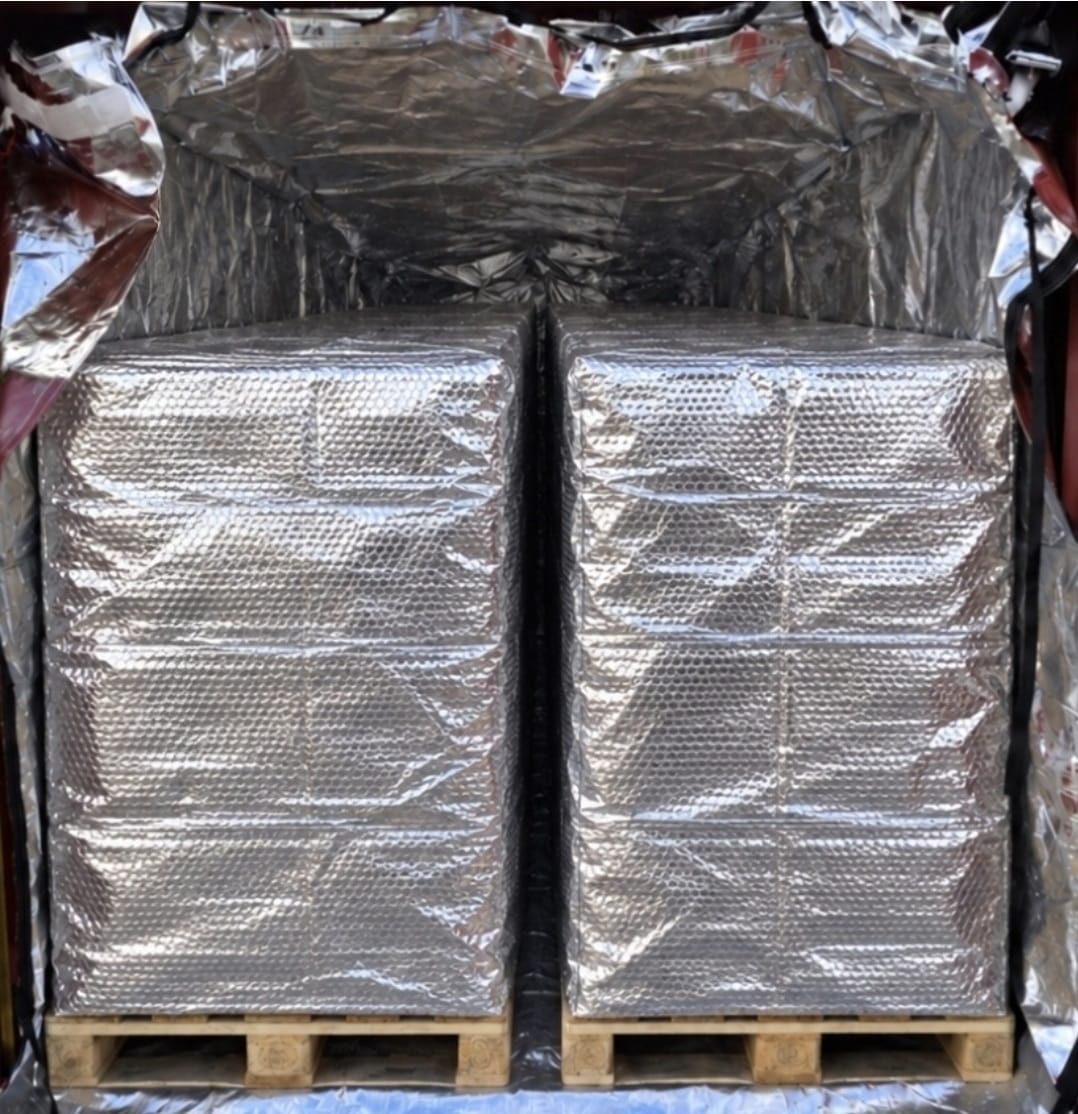
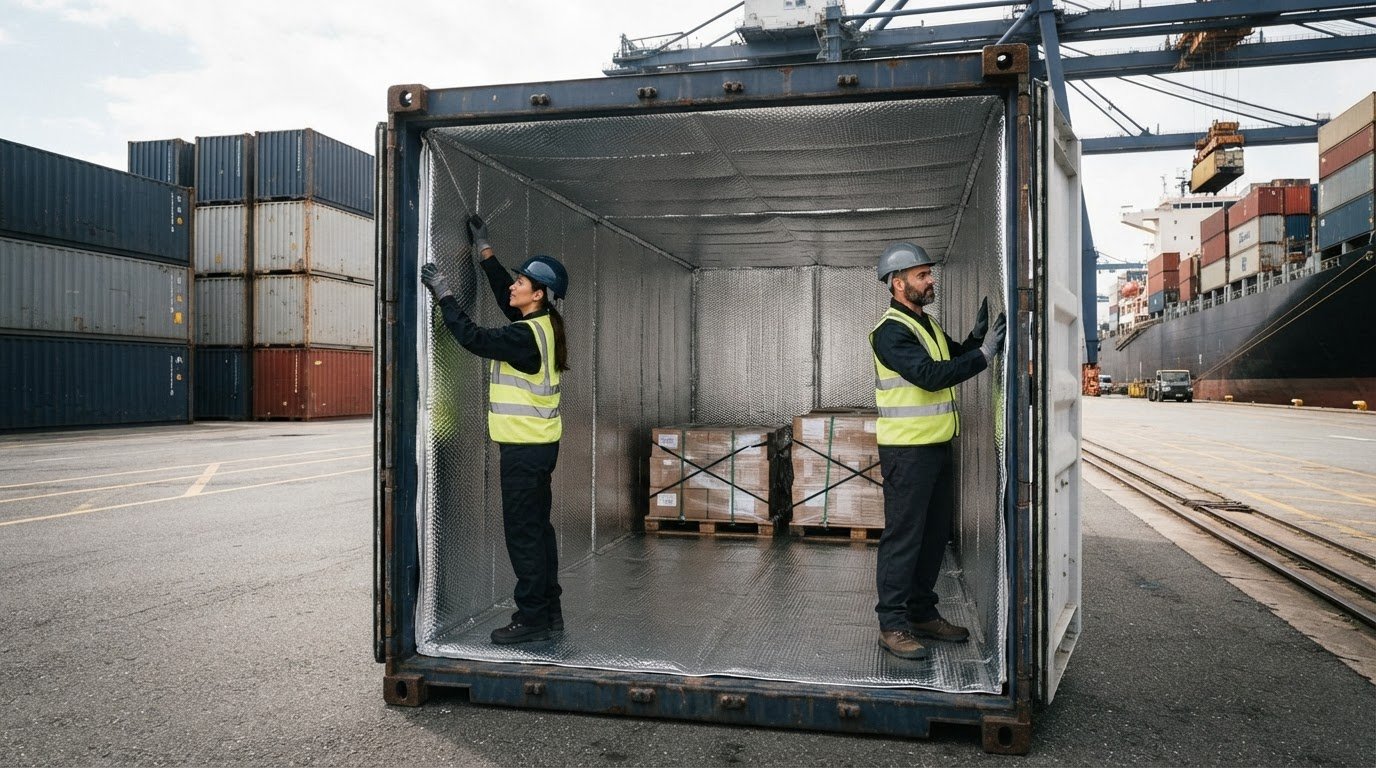
So what? Actively cooled reefer containers draw continuous electrical power at sea and in port; by contrast, a dry container with high-performance insulation adds no active energy load. As ETS and FuelEU increase the cost of each kWh and kilo of fuel burned, passive thermal protection becomes a direct lever on both cost and CO₂e exposure.
There’s also a refrigerant risk angle. The EU’s revised F-gas Regulation (EU) 2024/573 accelerates the phase-down of high-GWP HFCs, targeting a near-total phase-out by 2050 and tightening quotas starting 2025. That affects maintenance and lifecycle costs for HFC-based reefer fleets, even as new natural-refrigerant systems (e.g., CO₂) come to market.
Takeaway: In a world where every extra watt and every kg of high-GWP refrigerant matters, insulated dry containers may be a suitable option for cargo that does not require active cooling, subject to product-specific requirements and route assessment.