
Security risks in the Red Sea have repeatedly pushed carriers to avoid Suez and reroute via the Cape of Good Hope, adding days to voyages and reshaping bunker demand and schedules in 2024–2025. Many lines - including top-tier operators - kept detouring well into 2025 amid renewed attacks.
Operational reality: Longer routes + higher ambient temperatures (especially in summer calls) amplify thermal swings inside unprotected dry boxes. That doesn’t automatically mean you need a reefer. For many “cool, not cold” shipments (e.g., confectionery, beverages, nutraceuticals, adhesives), high-performance insulated liners may reduce temperature peaks and slow temperature change, but cannot guarantee that cargo remains within specification on a longer route.
Why passive works on longer routes
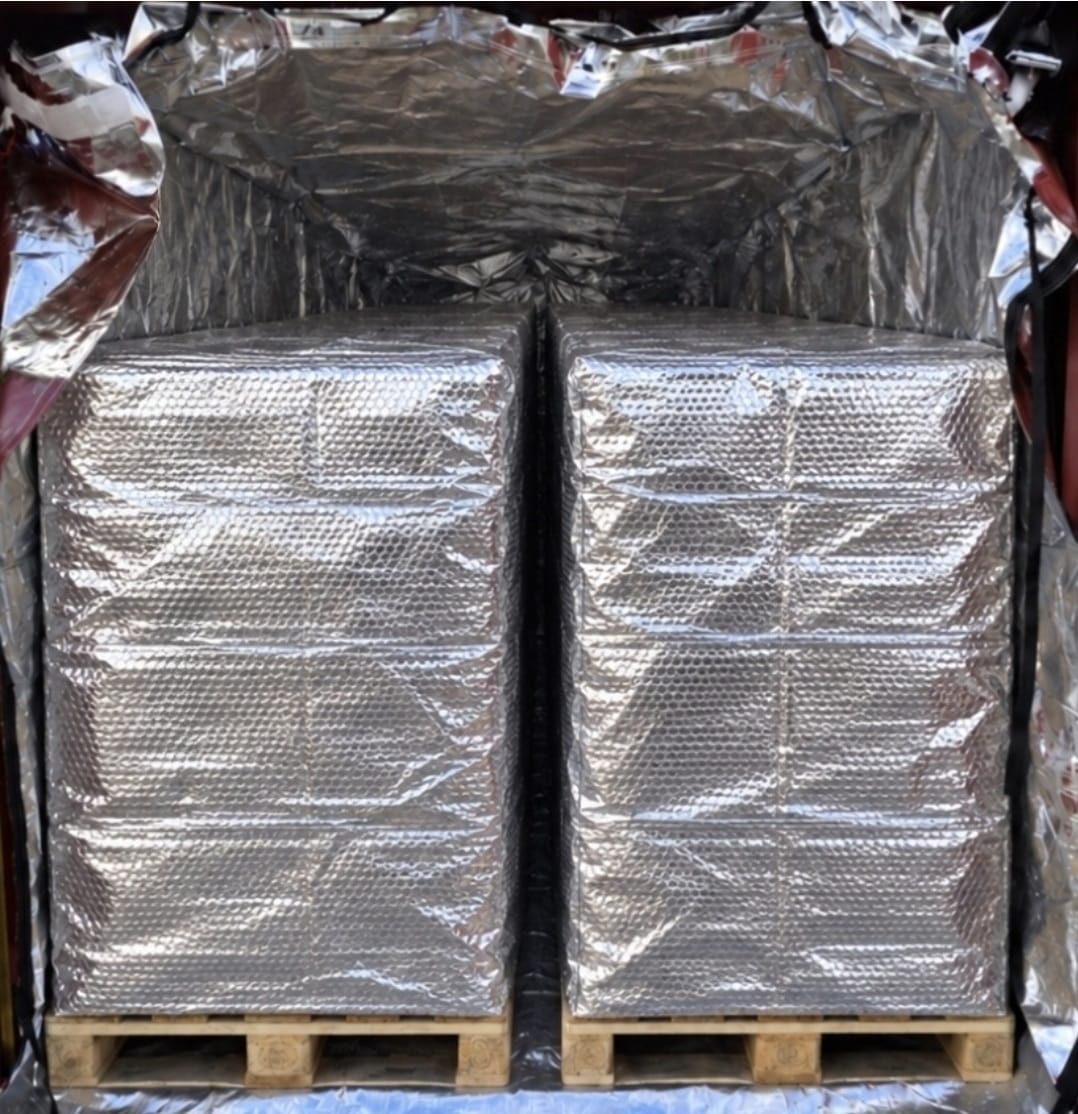
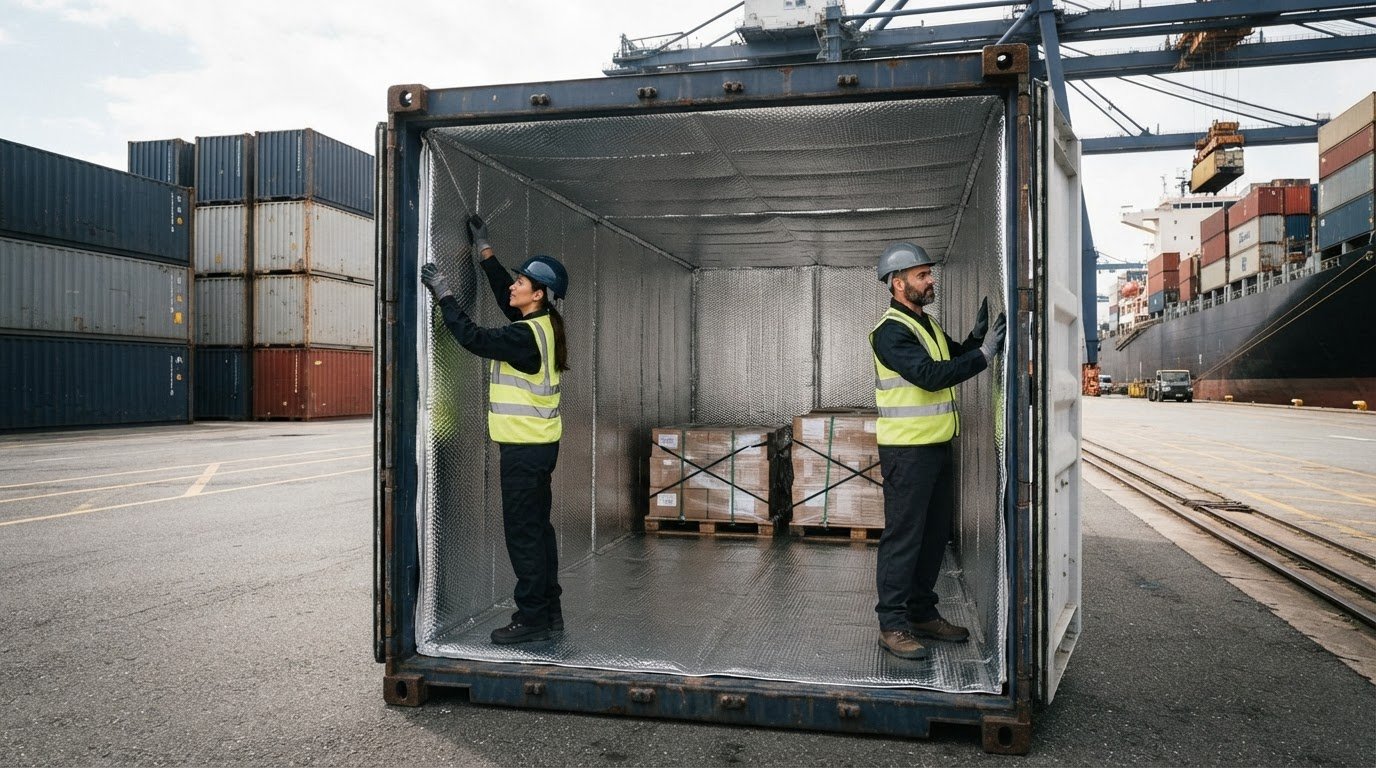
- Thermal buffering: Multi-layer reflective insulation reduces solar gain and radiative loading during peak hours, cutting intra-day spikes that typically drive quality issues.
- No auxiliary power draw: Unlike reefers, passive protection adds zero load to the ship’s electrical system — important as fuel and carbon costs rise on longer voyages.
- Fewer refrigerant headaches: No HFCs, no leak risk, no F-gas compliance burden.
Use cases we’re seeing now
- Food & beverage: Protecting melt-prone and label-adhesive-sensitive goods on EU–APAC lanes via the Cape.
- Industrial chemicals: Assessing whether passive insulation is appropriate for materials with documented temperature limits.
- Healthcare OTC & nutraceuticals: Considering passive insulation only where product qualification and approved temperature limits permit it.