
En
Unlike most cargo, packaged beverages are vulnerable to heat and cold, and the damage is often invisible until the customer opens the bottle.
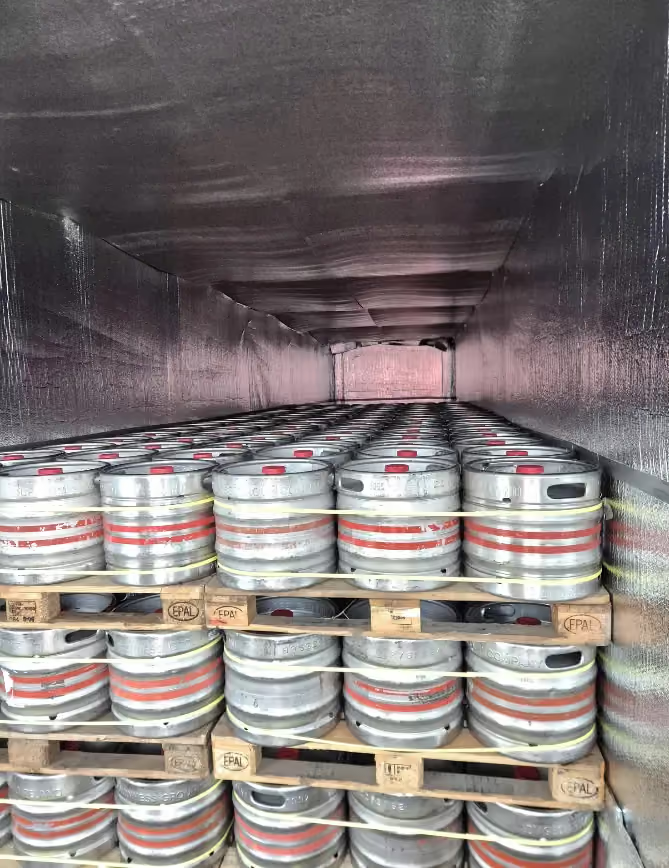
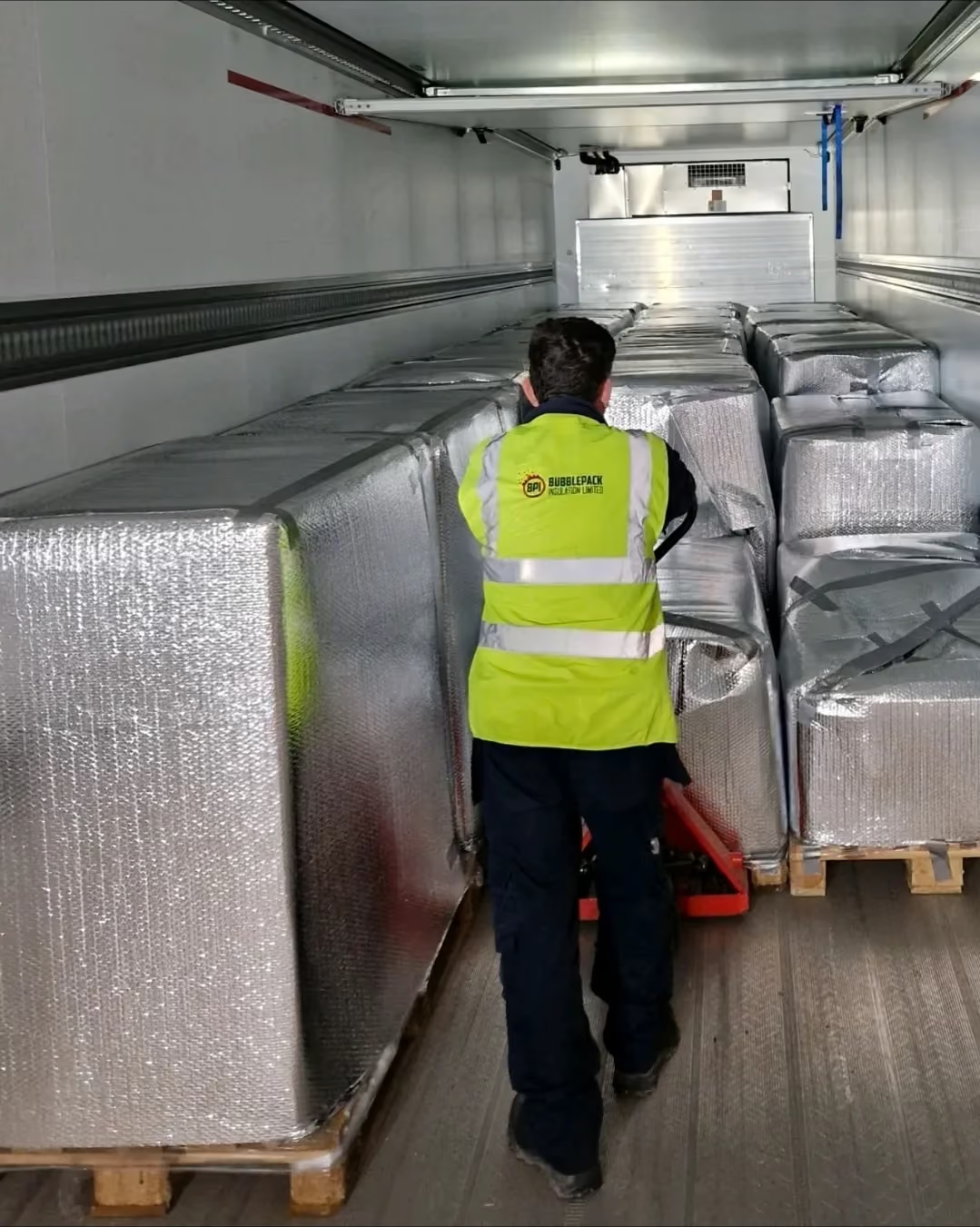
Sustained temperatures above roughly 21 degrees Celsius can alter the chemical composition of wine, affecting flavour and aroma, and accelerate ageing.
At high temperatures a cork can expand and begin to lift, breaking the seal and exposing the wine to oxygen, which is irreversible.
Visible signs of heat damage include premature browning in white wine and an orange or brick-coloured rim in a young red.
Freezing carries its own risk, with liquid expansion able to push corks and, in the worst case, split packaging, a real concern on northern European winter routes.
Cream liqueurs add a further sensitivity, since dairy content makes them less tolerant of temperature abuse than a straight spirit.
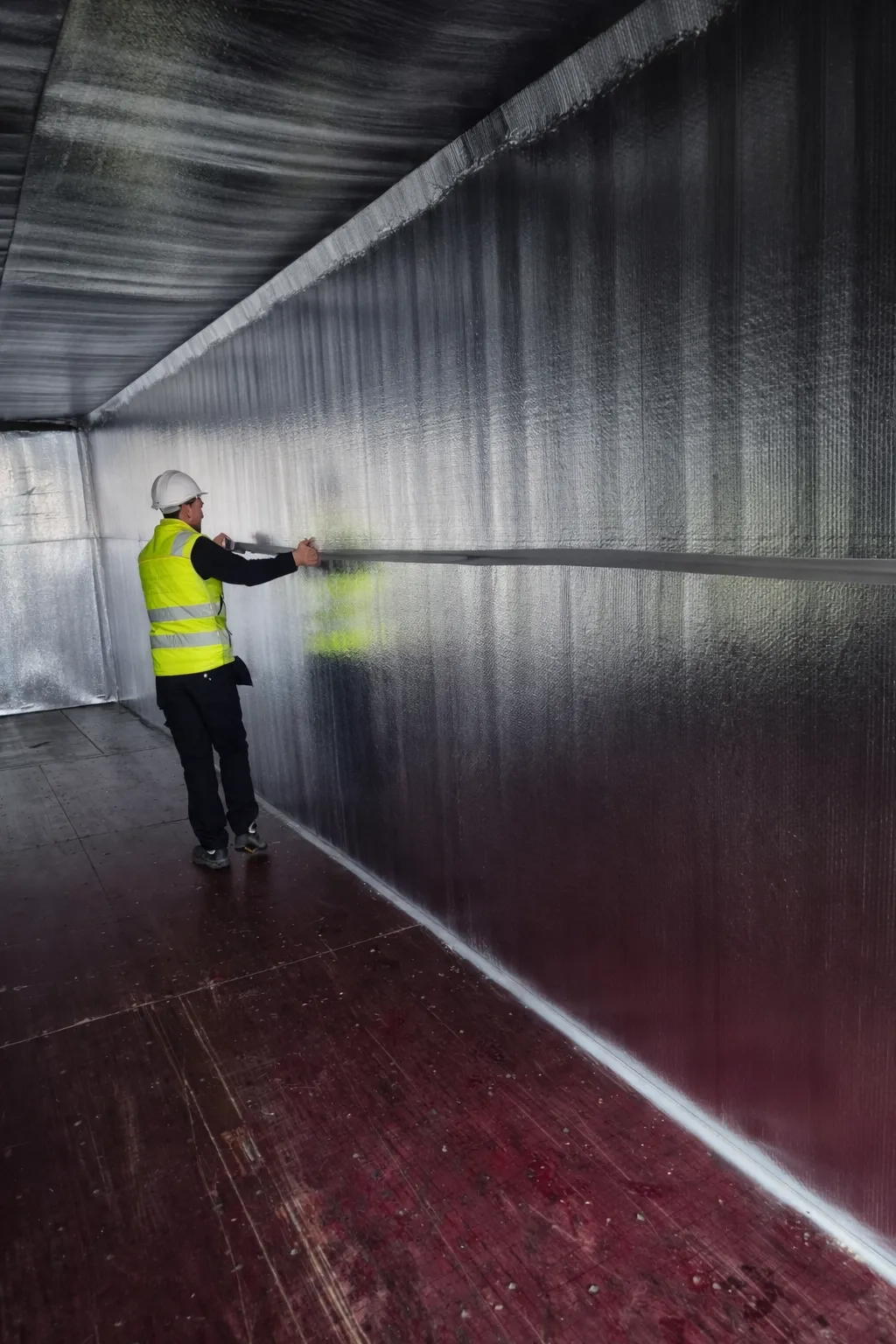
Temperature-controlled beverage shipping is typically described as holding a stable range of roughly 10 to 20 degrees Celsius rather than a single figure, which is a tolerance band a passive liner is well matched to.
Reflective metalised surfaces reject radiant heat, cutting the daytime peak that drives cork lift and premature ageing.
Slowed heat loss reduces the risk of the cargo reaching freezing point during a cold snap or a delay at a northern port.
Narrower diurnal cycling means fewer repeated expansion and contraction cycles across a long voyage, which is what stresses closures.
No power requirement means protection continues through port dwell time, terminal delays and inland legs where a reefer might be unplugged.
Bubblepack works with beverage exporters shipping beer, whiskey, wine and cream liqueurs, and counts Hillebrand Gori, a specialist beverage logistics provider, among its logistics partners. Liner performance has been validated with third-party temperature loggers on live commercial shipments across European short haul, freezing-condition, long haul Middle East and Africa, and transatlantic routes.
Consideration
Uninsulated dry container
Dry container with thermal liner
Refrigerated container
Heat damage risk to wine and liqueurs
High on warm routes, cork lift and premature ageing
Substantially reduced, radiant heat reflected
Low, actively controlled
Freeze risk on northern winter routes
High
Reduced, rate of heat loss slowed
Low, actively controlled
Diurnal temperature cycling
Large swings across the voyage
Narrower band, fewer expansion cycles
Minimal
Protection during port dwell and delays
None
Continuous, no power needed
Only while powered and plugged in
Relative cost
Lowest, carries quality risk
A fraction of refrigerated container cost
Highest
Best suited to
Robust, temperature-tolerant goods
Packaged wine, spirits, beer and cream liqueurs on ambient routes
Cargo requiring exact continuous control
Thermal container liners help protect wine and beverage shipments from heat, cold, condensation and temperature swings during transit. They can be a cost-effective alternative to reefers for products that do not require continuous active temperature control, helping protect both product quality and packaging.
Sector experience
Over three decades insulating containers for exporters in this sector and three others.
Real validation
Third-party temperature logger data from live commercial shipments across four route types.
Industry recognition
Shortlisted twice at the 2026 Irish Exporters Association Export Industry Awards.
Cost case
Typically 40 to 60% lower cost than refrigerated containers, depending on route and product.
.avif)
Not in most cases. Temperature-controlled beverage shipping generally means holding a stable range of roughly 10 to 20 degrees Celsius rather than an exact figure. For that tolerance band a thermal liner protects against the real risks, heat spikes and freezing, at a fraction of the cost of a refrigerated container. Cargo needing exact continuous control still requires a reefer.
Sustained temperatures above roughly 21 degrees Celsius can alter wine's chemical composition and accelerate ageing. At higher temperatures the cork can expand and begin to lift, breaking the seal and exposing the wine to oxygen, which cannot be reversed. Premature browning in a white wine, or an orange to brick-coloured rim in a young red, are common signs of heat damage.
A liner slows the rate of heat loss, which reduces the risk of cargo reaching freezing point during a cold snap or a delay. It does not generate heat, but it stabilises internal conditions and dampens rapid temperature drops. Bubblepack has validated this specifically on a freezing-conditions route from Ireland to Romania.
Yes. The dairy content in a cream liqueur makes it less tolerant of temperature abuse than a straight spirit, which is comparatively robust. Cream liqueurs therefore benefit more from stabilised transit conditions, and this is a significant Irish export category, with cream liqueur exports rising 10% to 430 million euro in 2025.
Yes. Because the liner is entirely passive and needs no power, its protection continues through port dwell time, terminal delays and inland legs. A refrigerated container only maintains temperature while it is powered and plugged in.
Yes, through a separate flexitank service that converts a standard dry container into a bulk liquid transport system for products such as wine, juices and concentrates, with an optional insulation layer. This industry page covers thermal liner protection for packaged beverages.