
How maritime EU ETS works
The EU Emissions Trading System began covering maritime transport emissions from 2024. The phase-in covers 40% of relevant 2024 emissions, 70% of 2025 emissions and 100% of 2026 emissions onward, with allowance surrender in the following year. This phase-in is distinct from the geographical scope of covered emissions.
Which voyages are covered?
For covered ships, the system generally includes 100% of emissions on voyages between EU ports and emissions within EU ports, and 50% of emissions on voyages between EU and non-EU ports, subject to the detailed rules and applicable exemptions. See the European Commission maritime ETS guidance for current scope and obligations.
What does this mean for an exporter?
Shipping lines may reflect compliance costs in their commercial charges, but there is no universal surcharge for a specific container or cargo. Request an actual carrier quotation and review the charge basis for the lane.
Does choosing a thermal liner remove ETS charges?
No. ETS obligations apply under maritime emissions rules, not simply according to whether a container is refrigerated. A liner avoids drawing electrical power itself, but any shipment emissions comparison must consider the route, equipment and transport arrangement.
Choosing equipment for cargo
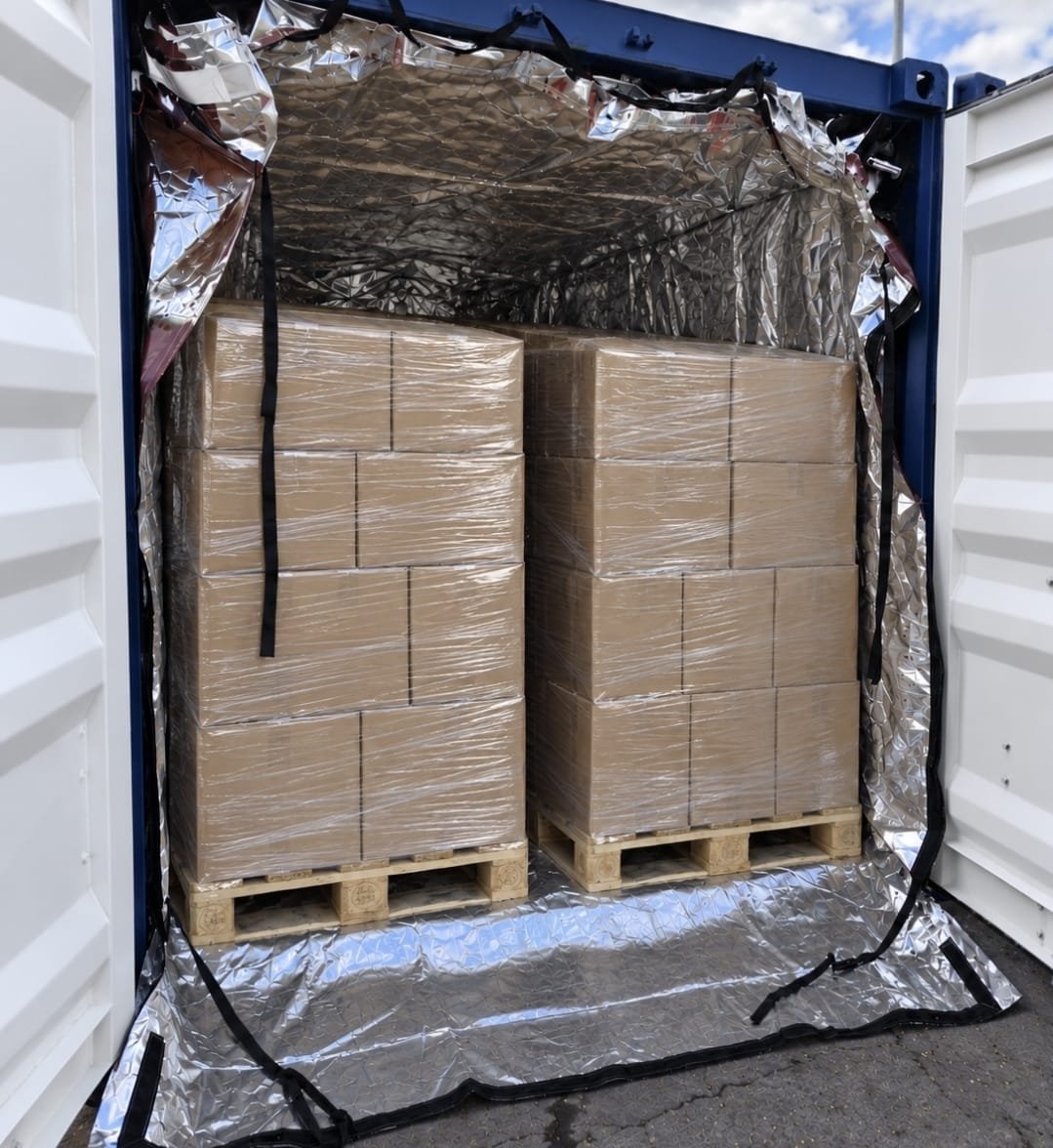
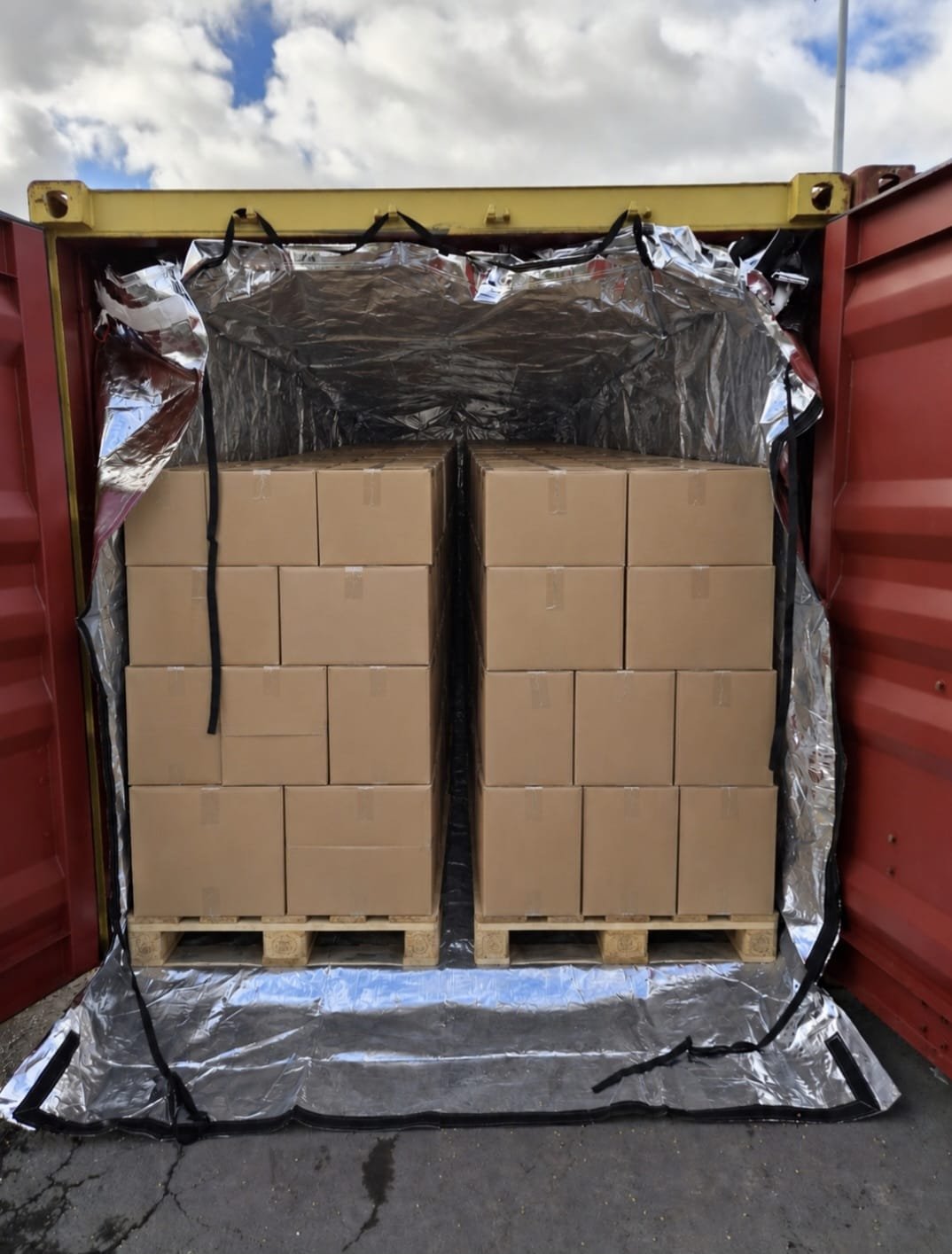
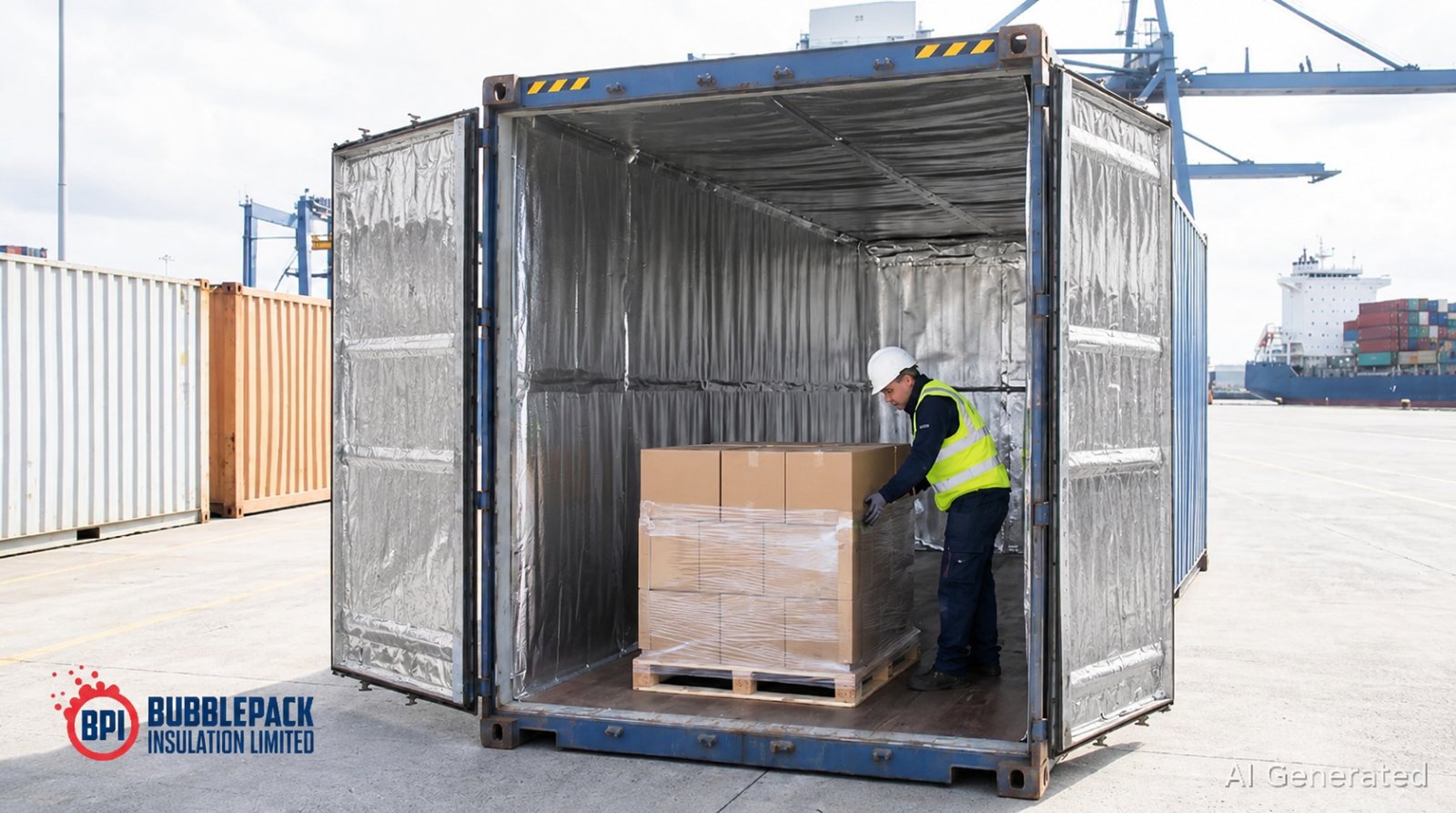
Compare a lined dry-container option with a reefer only where both are suitable for the cargo. Passive insulation does not maintain a temperature setpoint. Where active control is required, a reefer remains appropriate. On suitable routes, BubblePack's thermal liners can offer 40–60% lower shipping costs, depending on the actual freight and cargo requirements.
For a shipment-specific discussion, contact BubblePack with your cargo, container type, route, quantity and required date.