
Why F-gas rules matter to refrigeration
EU Regulation 2024/573 sets requirements affecting fluorinated greenhouse gases, including restrictions, quotas and obligations that depend on the refrigerant and equipment category. The requirements should not be described as a blanket ban on refrigerated shipping containers.
What should equipment operators check?
- Which refrigerant is used in the specific unit?
- What servicing, leak-check and recordkeeping obligations apply?
- Are there equipment-specific restrictions or phase-down implications?
- What guidance is available from the equipment manufacturer and relevant regulator?
For current requirements, consult the European Commission's F-gas legislation guidance and qualified refrigeration specialists. Do not infer compliance obligations from the cargo type alone.
Does a thermal liner replace a reefer?
No. A thermal liner provides passive insulation and contains no powered refrigeration system. A reefer provides active temperature control when suitably powered. Cargo with strict temperature requirements may still need refrigerated equipment regardless of regulatory or commercial considerations.
When can passive insulation be considered?
Assess documented cargo temperature limits, loading conditions, route, season, duration and handling. On suitable shipments, a liner may be an alternative to active refrigeration, but this is a cargo suitability decision rather than a way to avoid a legal obligation.
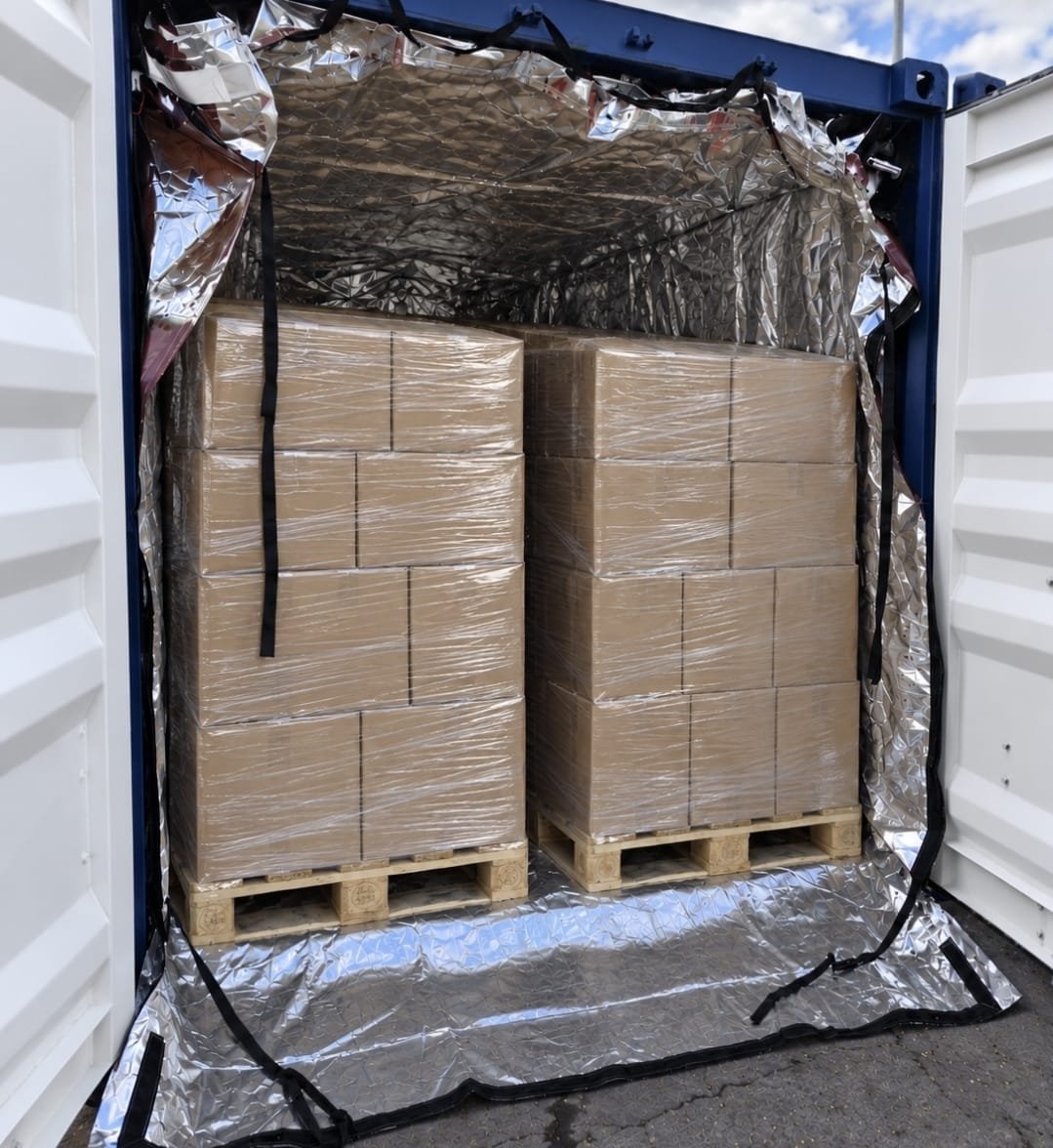
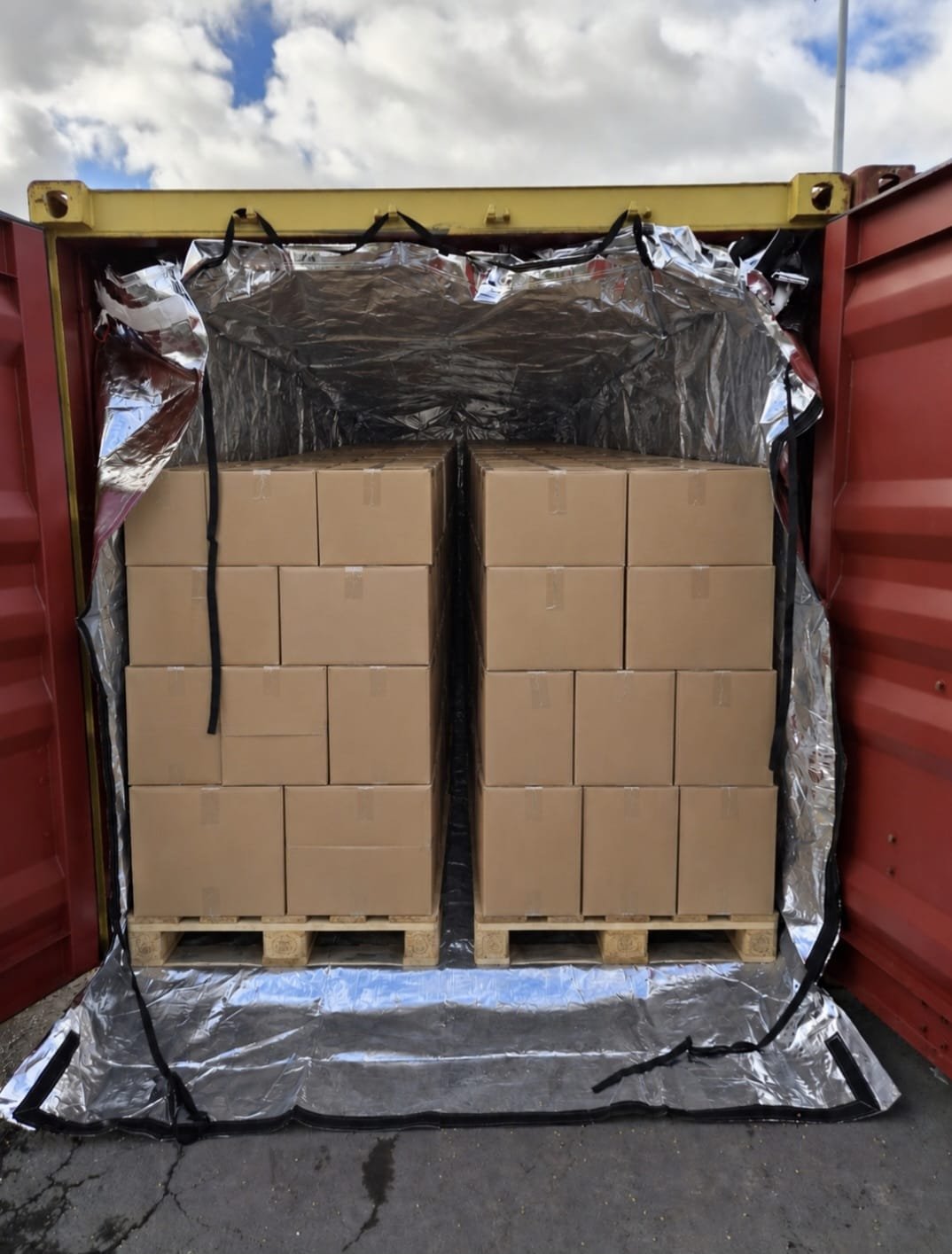
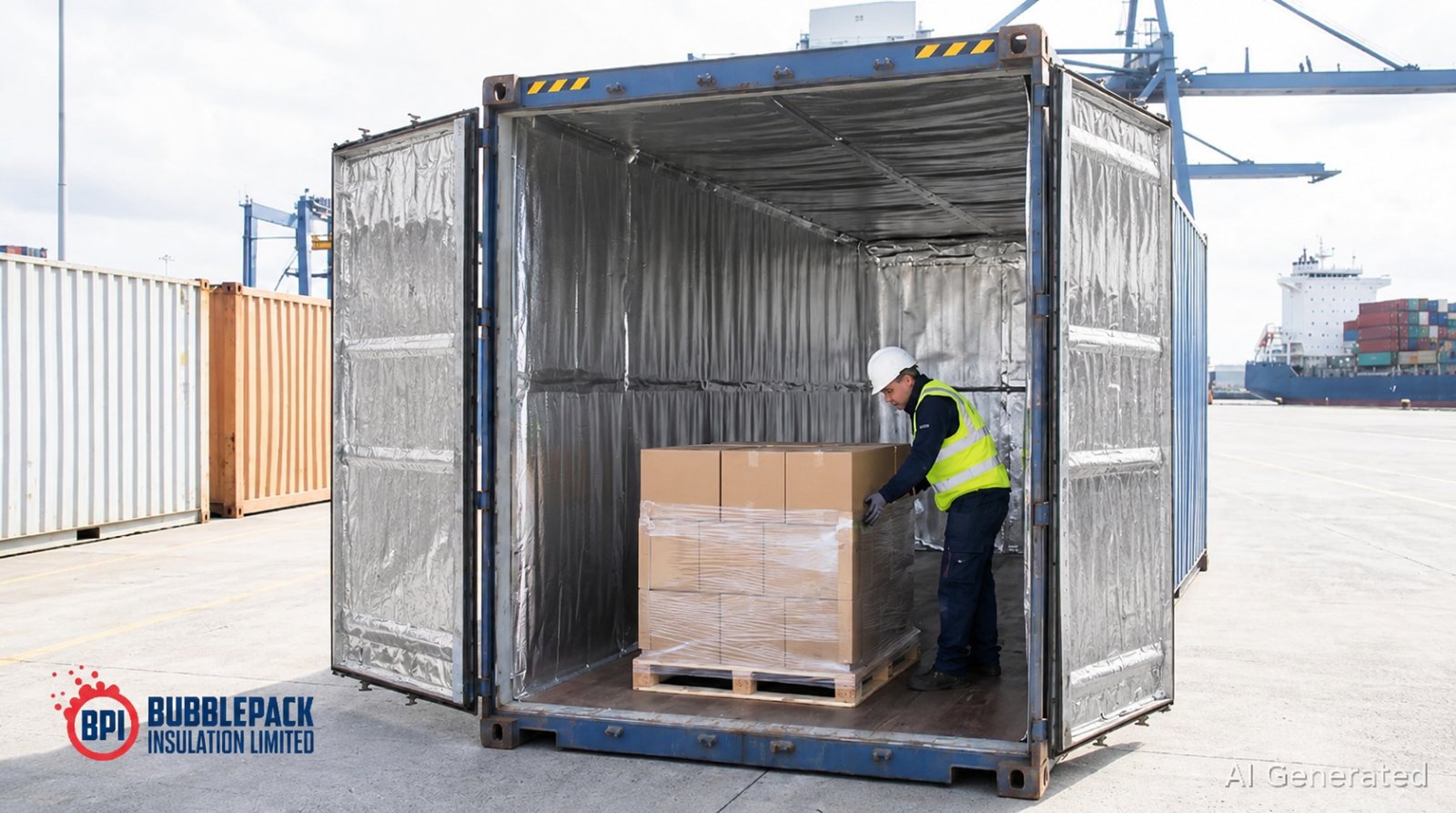
See BubblePack's thermal container liner overview for the available systems.
For a shipment-specific discussion, contact BubblePack with your cargo, container type, route, quantity and required date.