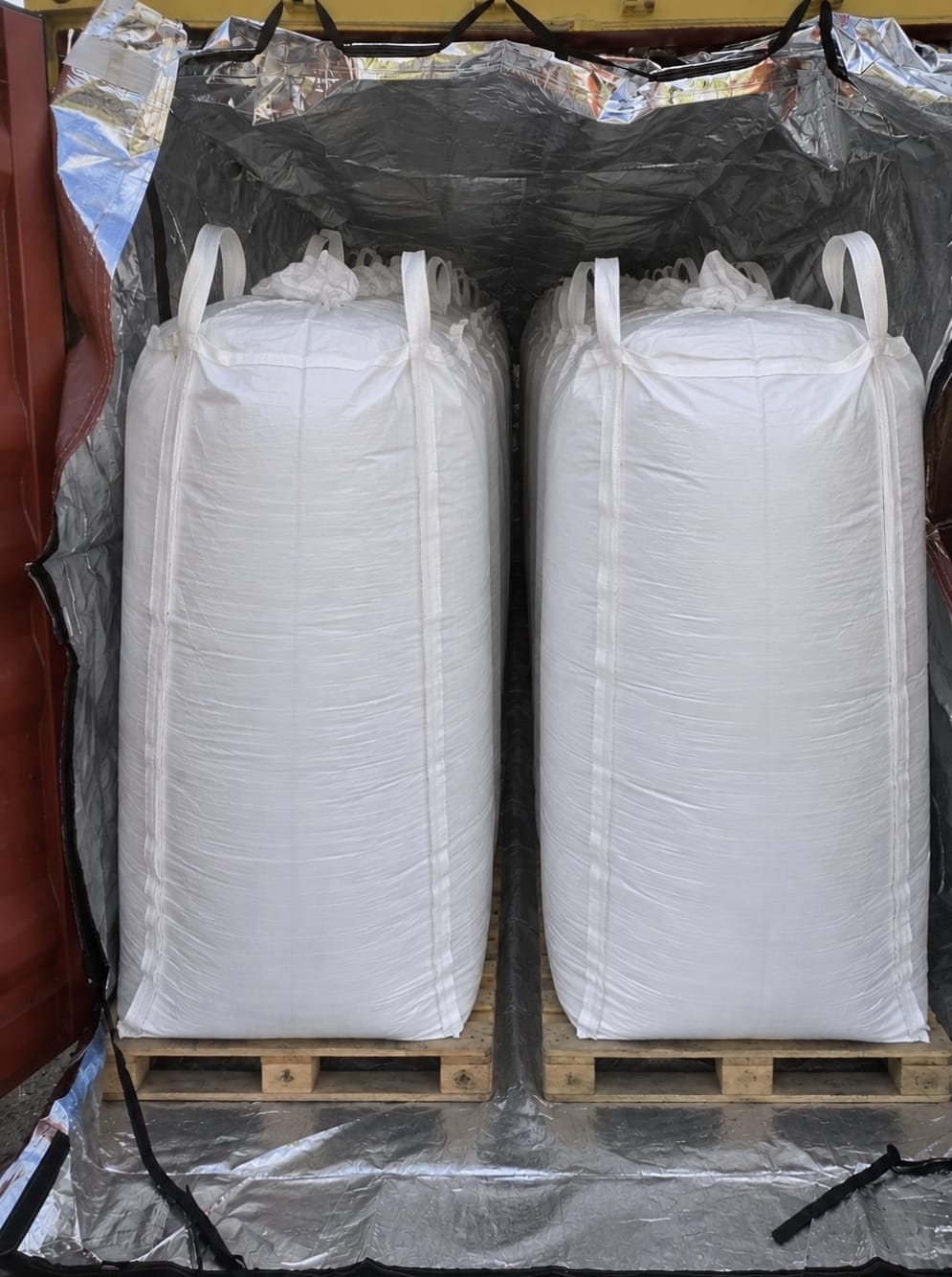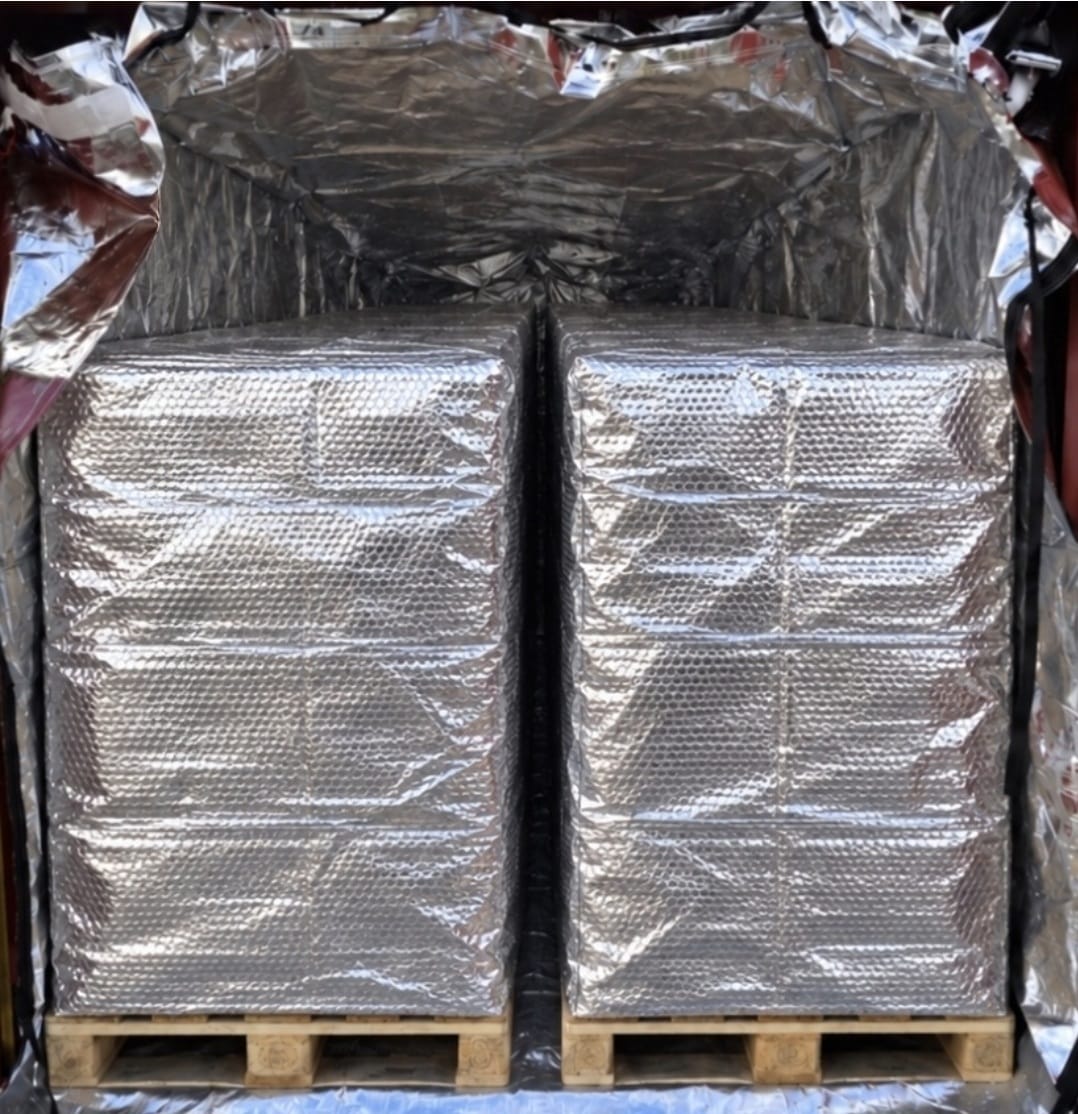

Ocean freight does not provide a stable temperature environment by itself. Medical device temperature protection during ocean transit depends on the device’s documented requirements, the route and season, transit duration, and protection suited to the shipment. A container liner provides passive insulation, not active temperature control or a guaranteed setpoint.
Weather matters because cargo may encounter changing conditions at sea, in ports and during handling. Effective protection starts with understanding those exposures and monitoring conditions around the payload, rather than relying on the container’s exterior or a single reading. This article explains where to position sensors, how to interpret temperature records and when equipment should acclimatise before unsealing or powering it on. It also considers how passive thermal liners can support suitable export cargo, and why pharmaceutical shipments require documented product-specific conditions and appropriate shipper qualification.
Key Takeaways
• Place temperature sensors within the payload so readings better reflect the conditions experienced by the devices.
• Allow equipment to acclimatise in its sealed packaging before unsealing or powering it on, reducing condensation-related risks.
• Use shipment records alongside product stability data to guide quarantine and release decisions after an excursion.
• Assess passive container liners against the cargo’s requirements, route and transit conditions; they insulate but do not actively control temperature.
Sensor placement and data collection frequency
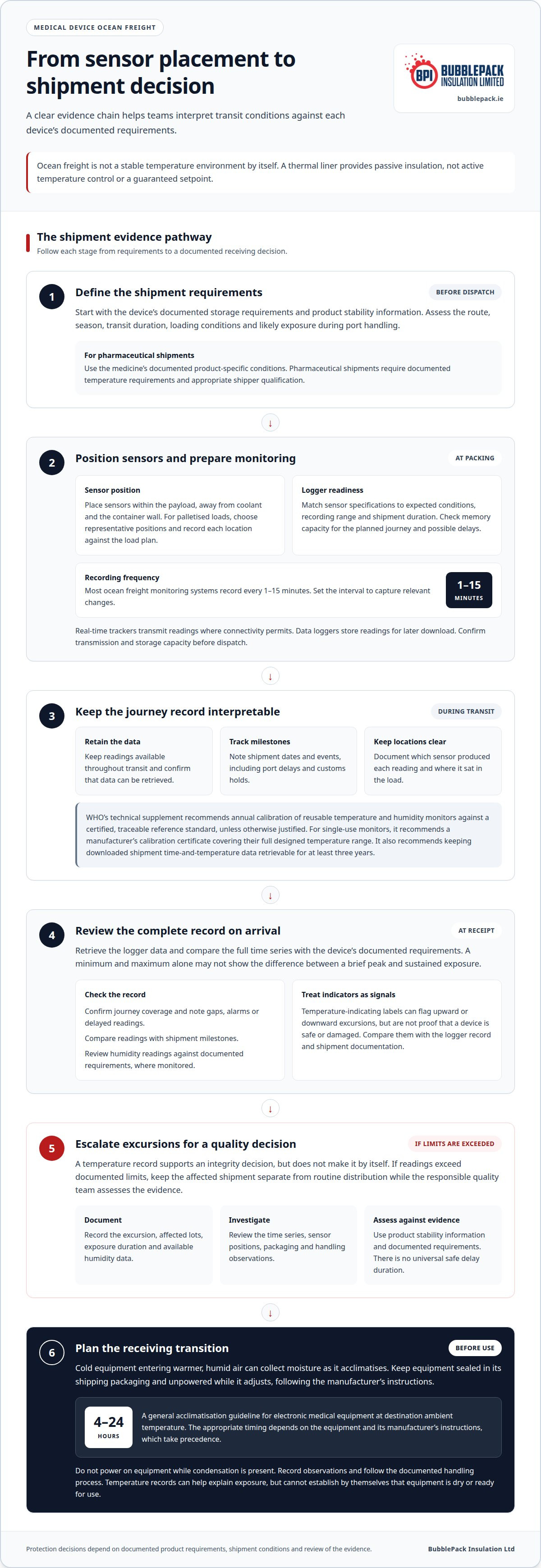
Place sensors inside the payload, away from coolant and the container wall, to better reflect conditions experienced by the kits. For palletised loads, select representative positions and document each sensor’s location against the load plan. Match sensor specifications to the expected conditions, recording range and shipment duration. Ensure the memory can cover the planned journey and possible delays.
The cost of temperature-controlled ocean shipping depends on the shipment and is provided after a quote request. Route, shipment size, service level, active temperature control, packaging and monitoring needs all affect freight cost.
Packaging and monitoring should follow the device’s documented instructions. Passive insulation can reduce heat transfer, while a suitably powered refrigerated container provides active temperature control. Electronic temperature data loggers record conditions for later retrieval. Temperature-indicating labels can flag excursions, but do not replace a reviewable data record.
Most ocean freight monitoring systems record temperatures every 1-15 minutes. Set the logging frequency to capture relevant changes and retain data throughout transit. Real-time trackers transmit readings where connectivity permits; data loggers store them for later download. Confirm transmission and storage capacity before dispatch.
How long can devices remain within limits during delays? It depends on documented limits, packaging, loading and exposure. Records show actual readings, not a universal safe delay duration.
For calibration, WHO’s technical supplement recommends calibrating reusable temperature and humidity monitors against a certified, traceable reference standard once a year, unless otherwise justified. For single-use monitors, it recommends a manufacturer’s calibration certificate covering their full designed temperature range. Place sensors within the payload, then compare downloaded readings with device requirements and note any gaps or alarms. WHO’s technical supplement recommends keeping downloaded shipment time-and-temperature data retrievable for at least three years.
Condensation risks after temperature changes
A cold medical device entering warmer, humid air can collect moisture as it acclimatises. This can happen after ocean freight, during port handling, customs clearance or final delivery. Moisture can affect sensitive electronic components if it reaches them. Temperature control during the sea leg does not remove this transition risk. Receiving procedures should account for the environment where cargo is opened, not just its recorded transit conditions.
Keep equipment sealed in its shipping packaging and unpowered while it adjusts to the destination environment. A general acclimatisation guideline for electronic medical equipment is 4-24 hours at destination ambient temperature before unsealing and powering it on. The appropriate timing depends on the equipment and its manufacturer’s instructions. Follow product-specific directions where supplied, and brief the receiving team before the shipment arrives.
Do not power on equipment while condensation is present. Moisture can cause short circuits, corrosion or permanent electronic damage. For example, equipment moved from a cool freight container into a warmer receiving area may need to remain sealed before inspection. Opening the packaging immediately can expose colder surfaces to humid air. Applying power before the equipment has acclimatised can add electrical risk.
Build acclimatisation into the supply chain plan rather than treating it as an informal step after delivery. Tell receiving staff when acclimatisation begins, how long the equipment should remain sealed, and which manufacturer instructions apply. A customs hold or transfer between facilities may change when the receiving process can start, so record the handover and do not assume that arrival means the device is ready to use.
After the specified period, follow the manufacturer’s inspection and start-up procedure. If visible moisture remains, keep the device unpowered and escalate through the documented handling process. Record the observation, packaging condition and relevant shipment details. Temperature records can help explain exposure, but they cannot establish by themselves that equipment is dry or operationally ready. Clear instructions help different teams handle the same device consistently.
Temperature records, quarantine and release decisions
A temperature record supports a decision about shipment integrity, but does not make that decision by itself. After arrival, retrieve the logger data and compare recorded conditions with the device’s documented storage requirements. Review the complete time series, not only its minimum and maximum. A brief peak and sustained exposure can have different implications for product quality.
First, check that the record covers the journey and identify any gaps, alarms or delayed readings. Compare the dates and times with shipment milestones, including port delays and customs holds. Confirm which sensor produced each reading and where it was positioned in the load. If humidity was monitored, review those readings against the device’s documented requirements too.
Temperature-indicating labels can show upward or downward excursions. Treat an indicator as a signal for investigation, not proof that a device is safe or damaged. Compare it with the electronic logger record and shipment documentation. If the records conflict, establish whether different sensor positions or recording periods explain the discrepancy.
Where readings exceed documented limits, keep the affected shipment separate from routine distribution while the responsible quality team assesses the evidence. Record the excursion, affected lots, exposure duration, available humidity data and relevant packaging or handling observations. The assessment should use the product’s stability information and manufacturer instructions, not a generic temperature threshold.
Release follows a documented assessment against product-specific criteria. The responsible decision-maker considers recorded exposure, the device’s integrity requirements and relevant stability evidence. If the significance of an excursion remains unresolved, keep the affected goods on hold and document the rationale for the final decision. This creates a traceable record for supply-chain quality review, whether the outcome is release, continued quarantine or rejection.
How do manufacturers determine a medical device's permitted temperature excursions during transit?
Manufacturers base permitted excursions on product-specific stability data, not a generic alarm setting. That evidence helps establish which temperatures, exposure durations and repeated fluctuations the device can tolerate. Do not assume a limit for one medical device applies to another, even when both travel through the same supply chain.
Assessment starts with the device’s documented storage requirements and stability information. Manufacturers consider how temperature exposure affects the device’s materials, function and quality over time. They also assess whether a short peak differs from sustained exposure or repeated excursions. These distinctions inform alarm thresholds and any delay before an alarm activates.
For example, a monitoring alarm set using a broad default may trigger unnecessarily or fail to flag a product-relevant exposure. Instead, set the threshold and delay using the kit’s stability data. Apply the same product-specific approach to excursions below the permitted range, not only high-temperature events. Document the rationale so quality teams can interpret alarms consistently.
Transit planning connects those limits with the shipment’s route, season, loading conditions and expected duration. A medical device facing port exposure and customs delays may have a different risk profile from one on a shorter route. Assess packaging and transport controls against the same documented product requirements. Pharmaceutical shipments also require documented temperature requirements and appropriate shipper qualification.
Make the resulting limits available to logistics and quality teams before dispatch. Define who reviews an alarm, which records they assess and how they escalate a potential excursion. On arrival, compare logger readings with the product’s stability data before making a release decision. An alarm prompts an assessment of the evidence; it does not replace product-specific evaluation.
Aligning passive cargo protection with documented temperature requirements can form part of an ocean-shipping risk assessment. Discuss thermal liner suitability for your cargo and route with BubblePack’s thermal liner team.
BubblePack Insulation: BPI ROLL LINER
BPI ROLL LINER provides passive thermal insulation for suitable containerised medical device shipments. Its reflective thermal barrier system helps reduce heat transfer, but does not actively control temperature or hold a setpoint. Suitability depends on the device’s documented requirements, loading conditions, route, season and transit duration.
For pharmaceutical shipments, documented product-specific temperature requirements and appropriate shipper qualification remain essential. A liner supports the transport plan; it does not establish qualification or replace monitoring and shipment records. BubblePack Insulation Ltd supplies and installs BPI ROLL LINER across Ireland, typically at an empty-container depot before collection.
Discuss your cargo and route with BubblePack Insulation Ltd, or visit bubblepack.ie.
Make the shipment plan specific to the device
Use the next planning cycle to connect product requirements with the actual shipment design. Bring together the device’s stability evidence, route, seasonal exposure, loading plan, monitoring approach and receiving procedure. Assign responsibility for reviewing alarms and recording decisions before dispatch. Clear handovers help logistics, quality and receiving teams work from the same requirements throughout the journey.
Build medical device temperature protection during ocean transit around the device and its journey, not a generic temperature assumption. Align the transport plan with documented product conditions and define how the team will assess recorded deviations. This gives cargo handlers a practical framework for arrival decisions without treating monitoring data as a substitute for product-specific assessment.
For support with thermal container liner requirements for your cargo, contact BubblePack Insulation Ltd. A well-prepared plan gives your team a clear basis for the next shipment.
Frequently Asked Questions
How do weather conditions affect ocean freight temperature control?
Weather affects the heat entering or leaving a container, while port handling can add exposure before and after the sea leg. Strong sun, changing ambient temperatures and time awaiting collection all shape the conditions around the load. Route and season matter alongside the vessel journey. Account for container exposure during staging and handovers, not only conditions at sea.
How do you protect diagnostic kits from temperature excursions?
Start with each kit’s label and manufacturer instructions, then select transport conditions that match its specified storage range. A kit labelled for refrigerated storage at 2-8 °C needs a refrigerated shipping lane. Keep kits with different requirements clearly identified, and ensure the chosen packaging and monitoring plan suit the shipment. Pharmaceutical diagnostic products also require documented temperature requirements and appropriate shipper qualification.
What are the temperature monitoring requirements for ocean freight shipments?
Monitoring should produce records that can be assessed against the product’s documented conditions. Define who reviews readings, how alarms are escalated and how data is linked to the relevant shipment or lot. For a mixed consignment, clear identification helps prevent one product’s requirements being applied to another. Keep the monitoring record available to the quality team responsible for distribution decisions.
What happens when temperature limits are exceeded during ocean shipping?
An excursion prompts a product-specific quality assessment; it does not automatically prove that a device is damaged or suitable for release. Identify affected lots, establish the exposure shown in the records and assess it against the manufacturer’s stability evidence. Keep affected goods separate from routine distribution until the responsible quality team documents its decision. Capture any relevant handling or packaging concerns in the assessment.
What temperature ranges must medical devices be maintained at during ocean transport?
There is no single temperature range for all medical devices. The applicable conditions come from the specific device’s labelling, manufacturer instructions and documented stability requirements. Diagnostic kits illustrate why product distinctions matter: a kit labelled for refrigerated storage at 2-8 °C has different transport needs from a product with another stated range. Use the product’s own requirements, not a general pharmaceutical temperature band.
Which regulations and standards govern temperature-controlled ocean shipping of medical devices?
Applicable requirements depend on the product and destination market. Use the manufacturer’s documented conditions and the responsible business’s qualified transport process as the basis for shipment controls and records. For pharmaceutical shipments, EU GDP guidance concerns documented transport processes, product requirements, risk assessment and appropriate qualification by the responsible pharmaceutical business. Do not treat that guidance, or a thermal liner, as automatic proof of compliance for a medical device.