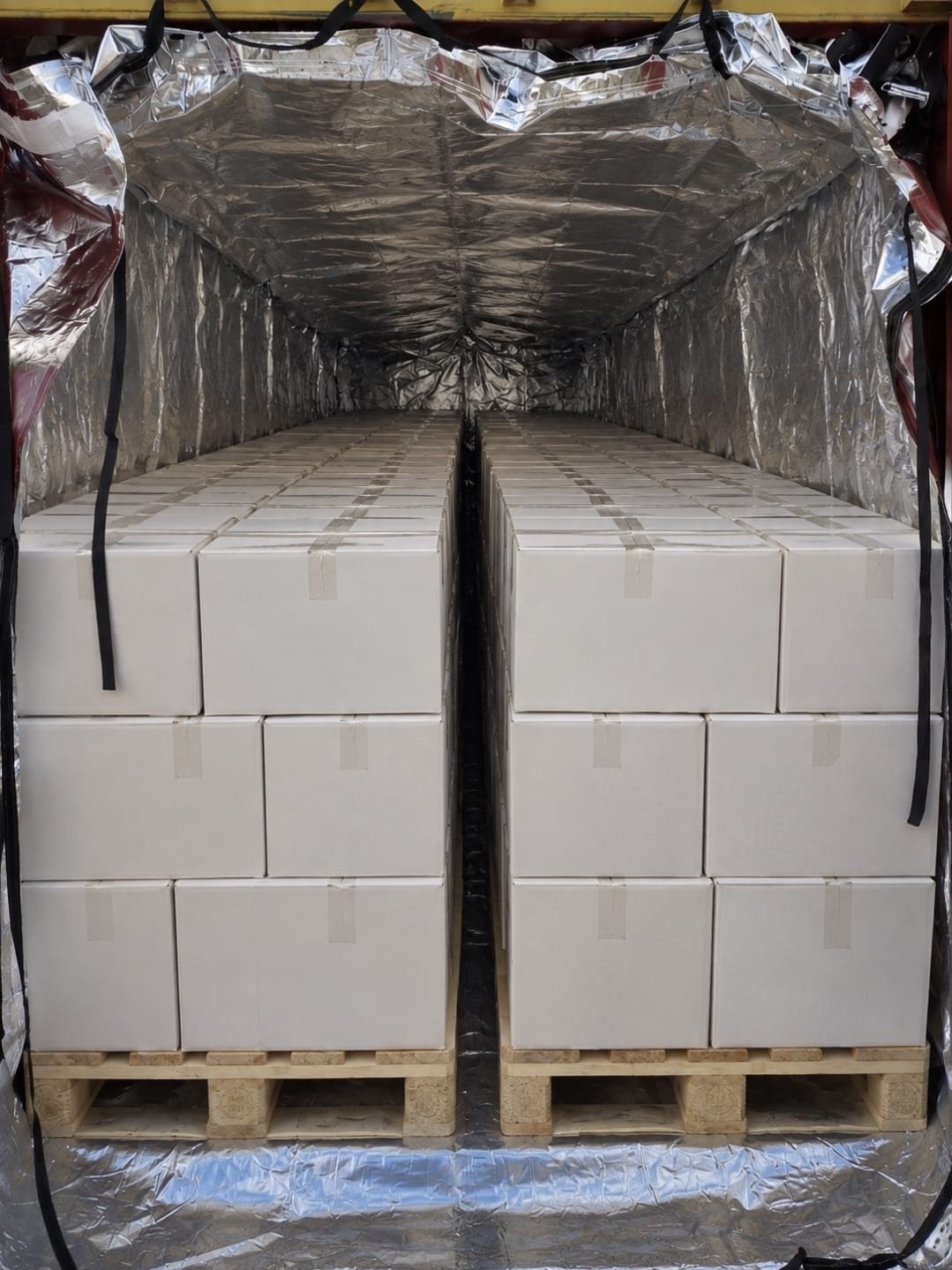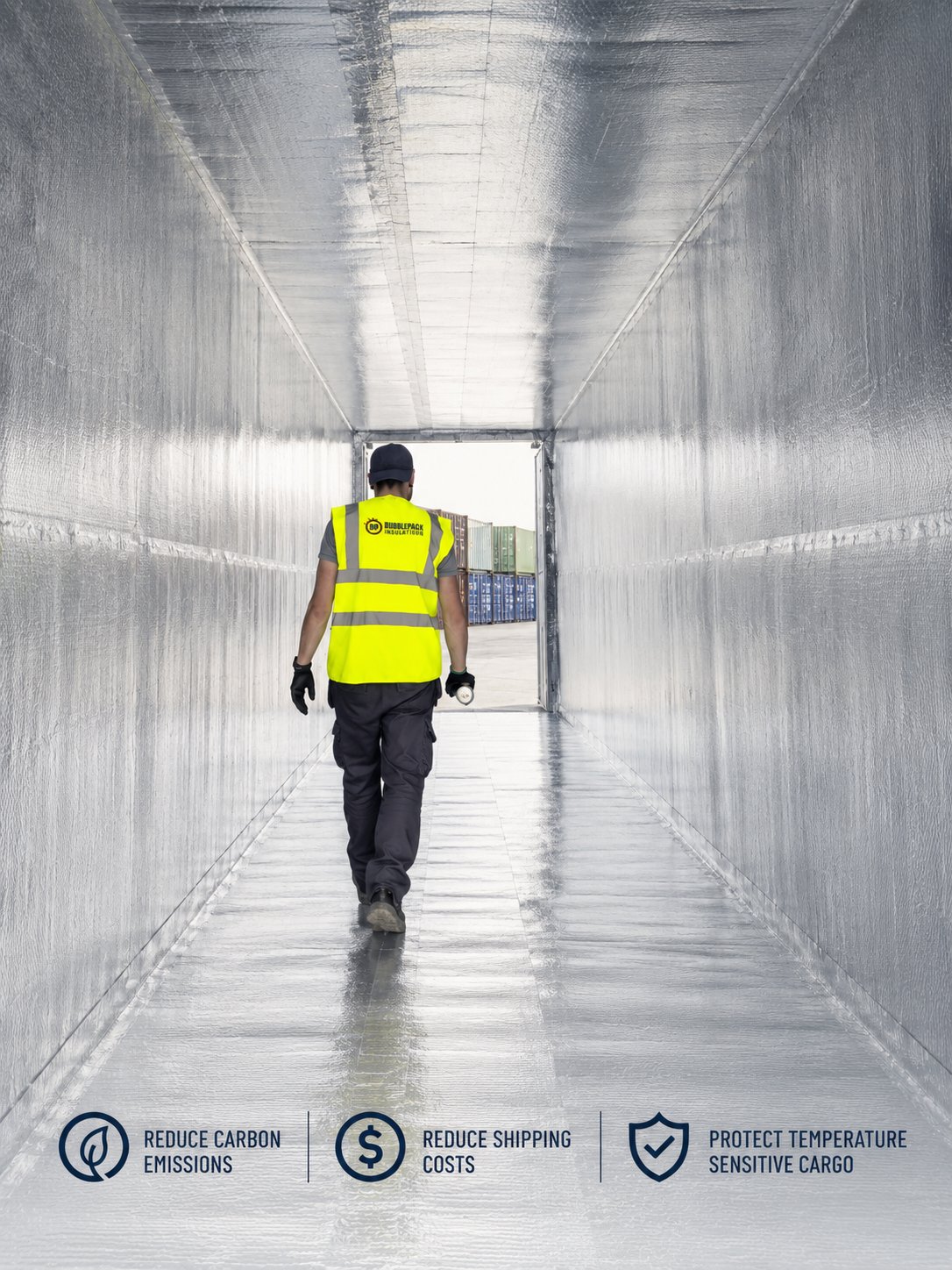

Sunlight, route and timing can expose cargo to sharp temperature changes during ocean transit. To protect cargo from temperature extremes, match the protection to the goods: chilled or frozen products need active temperature control, while thermal barriers can help buffer ambient-temperature cargo. A container’s metal walls can reach 60°C in direct sunlight, making position and exposure relevant to the loading plan.
The sea passage is only part of the journey. Port delays, transfers and seasonal conditions can all affect the temperatures cargo encounters along the route. Thermal insulation is passive: it slows heat transfer but does not heat or cool goods or maintain a fixed temperature.
This article explains how container position, sunlight, delays, route and season influence exposure, and when thermal barriers may help. You’ll learn to distinguish ambient-temperature protection from the active control chilled or frozen shipments need, and assess which factors matter for your cargo and transit conditions.
Key Takeaways
• Assess container position, sunlight exposure, route, season and possible delays to identify where cargo may face temperature swings.
• Thermal barriers can slow heat transfer around ambient-temperature goods, but they don’t actively heat, cool or hold a set temperature.
• Match protection to the cargo’s documented temperature requirements; chilled and frozen goods need active temperature control.
• Consider a thermal liner when passive protection suits the shipment, taking loading conditions and transit duration into account.
Table of Contents
• Container position, sunlight, delays, routes, and season
• Thermal-cover performance in high ambient heat
• Cold-temperature damage to perishable goods
• Thermal barriers for ambient-temperature products
• BubblePack Insulation: BPI ROLL LINER
Container position, sunlight, delays, routes, and season
Container position, sunlight and transit timing all influence the conditions cargo encounters during ocean transport. When planning protection, consider the full route, season, cargo requirements and handling stages.
Sunlight and Night-time Temperature Swings
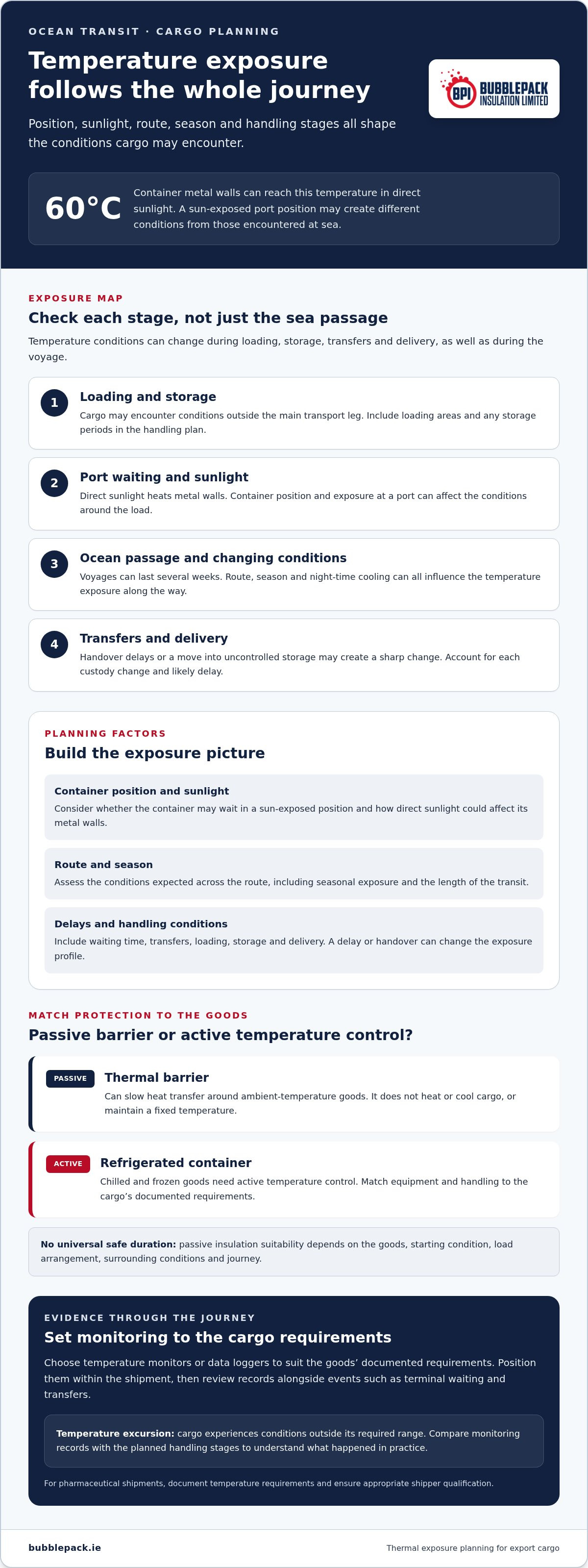
Direct sunlight heats a container’s metal walls, while night-time cooling can shift the heat flow in the opposite direction. Container temperatures can reach 60°C when metal walls are exposed to direct sunlight. A container waiting in a sun-exposed position at a port may therefore face different conditions from one travelling at sea. Ocean voyages can last several weeks, making route and season relevant to exposure.
Choose temperature monitors and data loggers to suit the cargo’s documented requirements and capture relevant conditions. Position them within the shipment to help assess cargo exposure, then review the records alongside events such as terminal waiting and transfers.
There is no single temperature range that suits all cargo. Follow the product’s documented requirements: a beverage and a food ingredient, for example, may have different limits. Chilled or frozen goods need refrigerated containers for active temperature control.
Temperature Excursions and Cargo Handling
A temperature excursion occurs when cargo experiences conditions outside its required range. Exposure can arise during loading, storage, transfers and delivery. For example, cargo moved from refrigerated transport into an uncontrolled storage area may face a sharp change. Include each handover and likely delay in the shipment’s handling plan.
Temperature-control requirements vary by cargo and destination. Identify the rules that apply to the shipment and include them in its documented handling process. Don’t assume one standard applies to every load.
The cost of temperature-controlled freight depends on the equipment, route, transit duration and handling needs. Request a quote based on the shipment’s specific requirements.
Thermal-cover performance in high ambient heat
Thermal covers slow heat transfer around cargo exposed to hot surroundings. Their usefulness depends on the exposure pattern and the goods’ documented temperature requirements.
Heat Exposure During Truck Shipments
During road transport, hot ambient conditions can warm a trailer and gradually affect its contents. A vehicle waiting in direct sunlight, for example, faces different exposure from one travelling in cooler conditions. Loading and unloading matter too, as cargo may spend time outside the trailer. Assess the full journey, not just driving time.
A cover can slow temperature change, but performance in a shipment depends on the product, load arrangement, cover configuration and surrounding conditions. Material test results describe the material under specified test conditions, where available. They do not, by themselves, predict the temperature cargo will reach in a particular vehicle or transit.
Insulated Packaging and Safe Temperature Duration
Insulated packaging has no universal safe-duration rating for every shipment. How long cargo stays within its required range depends on its starting condition, the ambient environment, the packaging and the journey. Use the cargo’s documented temperature requirements to assess whether passive insulation suits the planned exposure.
Thermal covers slow both warming and cooling; they do not actively heat, cool or maintain a set temperature. For example, a cover may help moderate changing conditions around ambient-temperature goods during a truck transfer, but it cannot replace active temperature control for chilled or frozen cargo.
Assess the complete route, including loading, waiting, transfers and delivery, alongside the cargo requirements. A planned delay or seasonal change can alter the exposure profile. Use shipment monitoring records to understand what happened in practice, rather than treating general cover performance as a guarantee for every load.
During the eight-hour wine shipment investigation, the temperature inside the truck trailer rose to around 45°C. The investigation used an eight-hour truck shipment of wine to examine temperatures inside a trailer, so its result describes that shipment rather than establishing a universal outcome for other cargo or routes.
The page reports that a standard foil cover slows temperature increase to less than 1 degree Celsius per hour in ambient heat of 48 degrees Celsius or higher. Such a reported material performance figure should be considered alongside the shipment’s actual exposure and the goods’ documented temperature requirements.
Cold-temperature damage to perishable goods
Cold exposure can damage perishable goods without leaving obvious signs on arrival. Fruit may develop scarring and rotting, while wine can crystallise after exposure to low temperatures. These effects matter commercially: visible quality changes can affect acceptance, saleability and a consignment’s intended use. Signs vary by product, so inspections should reflect the cargo being transported.
The International Air Transport Association found that as much as 20% of perishable goods are damaged by poor cold-chain practices. This highlights the risks around handovers and storage, not only the main transport leg. For example, fruit transferred from a controlled vehicle into an unsuitable holding area may encounter conditions that differ from the planned journey. Each custody change can affect how consistently cargo is handled.
On receipt, compare the goods with their expected condition and record visible changes against the shipment documentation. For fruit, note scarring or signs of rotting; for wine, check for crystallisation. These observations can help businesses identify where handling procedures need review. Keep records linked to the consignment so quality teams can assess issues alongside transport and storage events.
Assess perishable goods by product, rather than treating them as one uniform category. Fruit, wine and other sensitive products can respond differently to cold exposure, so one handling assumption may not suit them all. Use each product’s required conditions to guide transport planning and receiving checks. If goods show damage, record the observations and review the shipment’s handling history to improve procedures for similar consignments.
Temperature changes outside the cold range can also threaten cargo. The page says that some goods deteriorate when exposed to temperatures of 50 degrees Celsius. This is a separate risk from cold-temperature injury, but it reinforces the need to consider conditions throughout a consignment’s handling, including periods when goods are moved between locations.
The International Air Transport Association found that most cases of heat damage to cargo occur at airports during transloading. When reviewing damaged goods, businesses can consider whether transfer handling may have affected their condition. Linking observations to the consignment and its handling history can help teams assess possible causes and review procedures for future shipments.
Thermal barriers for ambient-temperature products
Thermal barriers suit products transported within an ambient temperature range, where slowing heat transfer can help moderate exposure. A plan to protect cargo from temperature extremes should match the goods’ requirements with loading conditions, route, season and transit duration.
Choosing and Using Insulated Covers
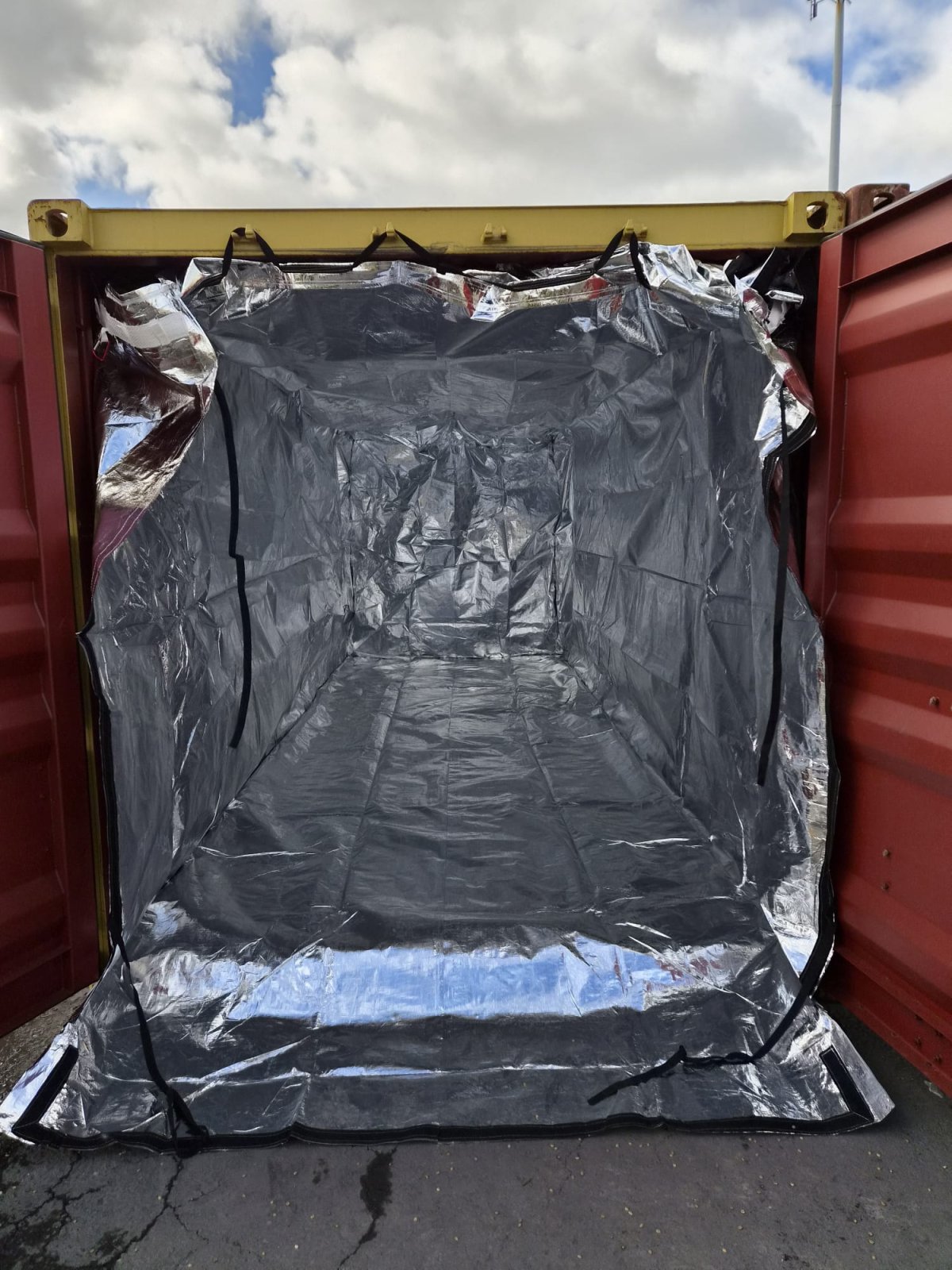
Choose insulated packaging by matching its coverage and function to the cargo. A container liner provides a barrier around the container interior, while a pallet cover focuses protection on covered cargo units. Thermal blankets may also suit some loads. Each option is passive and cannot set or maintain a temperature.
Before choosing a format, compare the product’s documented temperature requirements with expected conditions along the route. Ambient-temperature food ingredients, for example, may need protection from changing external conditions, while chilled goods need active temperature control. Check whether the selected liner configuration includes floor protection, as coverage varies, and align it with the loading plan.
Preparing Cargo for Extreme Weather
Prepare cargo by aligning its documented requirements, loading plan and transit conditions before dispatch. Record the product’s temperature limits, review the route and season, and account for transit duration and handovers. A shipment passing through a hot port before ocean transit, for example, may face different exposure from one travelling through cooler conditions.
At loading, follow the cargo’s specified handling requirements and choose a protection format compatible with the load. To protect cargo from temperature extremes, don’t assume a thermal barrier can correct cargo loaded outside its required conditions. For mixed shipments, assess each product separately rather than applying one assumed temperature range to every item.
Review temperature records at relevant points, including loading, storage and delivery. If the route or season changes, revisit the protection plan before dispatch. This grounds the decision in the actual goods and journey, helping protect cargo from temperature extremes without assuming one cover suits every shipment.
BubblePack Insulation: BPI ROLL LINER
BPI ROLL LINER provides passive thermal insulation for export cargo exposed to changing conditions during transit. Its three-layer reflective bubble-foil construction suits ambient-temperature goods; it does not actively heat, cool or maintain a set temperature.
BubblePack Insulation Ltd supplies and professionally installs the Roll Liner across Ireland, commonly at an empty-container depot before collection. Installation typically takes 20-45 minutes. Irish exporters need to arrange the container type, depot location, collection date, cargo requirements and fitting availability.
Assess suitability against the goods’ documented temperature requirements, loading conditions, route, season and transit duration. A passive liner is not a substitute for a refrigerated container when active temperature control is needed. For shipments where passive insulation fits the cargo plan, contact BubblePack Insulation Ltd to discuss the BPI ROLL LINER for your export.
Plan protection around your next shipment
A sound plan to protect cargo from temperature extremes starts with the shipment’s requirements, not a standard solution. Identify what the goods need, where exposure may occur and whether passive insulation or active temperature control suits the journey. This gives your logistics team a practical basis for aligning cargo protection with the route and handling plan.
BubblePack Insulation Ltd offers BPI ROLL LINER and BPI INTEGRATED LINER for thermal container protection, alongside Pallet & Cargo Protection. The right option depends on the cargo and shipment arrangements. Pharmaceutical goods require documented temperature requirements and appropriate shipper qualification.
Discuss your export requirements with BubblePack Insulation Ltd to determine a suitable next step. Contact BubblePack Insulation Ltd to start the conversation and plan cargo protection with confidence.
Frequently Asked Questions
How to protect cargo from extreme heat and cold during shipping?
To protect cargo from temperature extremes, match the transport method to its documented temperature range and route conditions. For suitable goods, a thermal container liner adds passive insulation against heat transfer, but will not heat, cool or maintain a set temperature. Assess loading conditions, season and transit duration; use a suitably powered refrigerated container if active temperature management is required. BubblePack’s BPI Roll Liner is professionally supplied and installed for suitable exports in Ireland.
What temperature range can common cargo tolerate during transport
There is no single temperature range that suits all cargo. Follow the product’s documented temperature requirements.